August 23, 2026 · Limbo Crew
The pre-trip conversation that prevents room-sharing drama
Discuss beds, bathrooms, sleep, noise and privacy explicitly. Practical steps and a worked example.

Photo: Holidayinnklg · CC BY-SA 3.0. Full-frame photograph; cover thumbnails may crop for layout.

Room-sharing problems often come from assumptions that felt too small to mention: who sleeps where, whether a sofa counts as a bed, or how late the room stays noisy. A five-minute conversation is easier before the deposit.
In this guide: Discuss beds, bathrooms, sleep, noise and privacy explicitly.
1. Describe the actual setup
List bedrooms, bed types, bathroom access and any common-space sleeping. Ask about privacy and practical sleep requirements. Avoid publishing sensitive reasons in the shared room chart.
2. Agree behaviour as well as allocation
Discuss noise, guests, alarms, shared bathrooms and access keys. If schedules differ sharply, a different room arrangement may matter more than a small rate saving.
3. Tie costs to the agreed rooms
Publish each person’s proposed share and what happens if occupancy changes. Do not allocate the best room after collecting an equal split unless everyone agreed to that method.
Worked example: what this looks like
Fictional scenario—not a real customer story or executed AI result.
A fictional apartment advertises six guests but contains two double beds and a sofa. Three friends need separate sleeping spaces. Once this is written down, the crew chooses a different property instead of expecting someone to volunteer for the living room on arrival. The higher headline rate avoids a predictable mismatch.
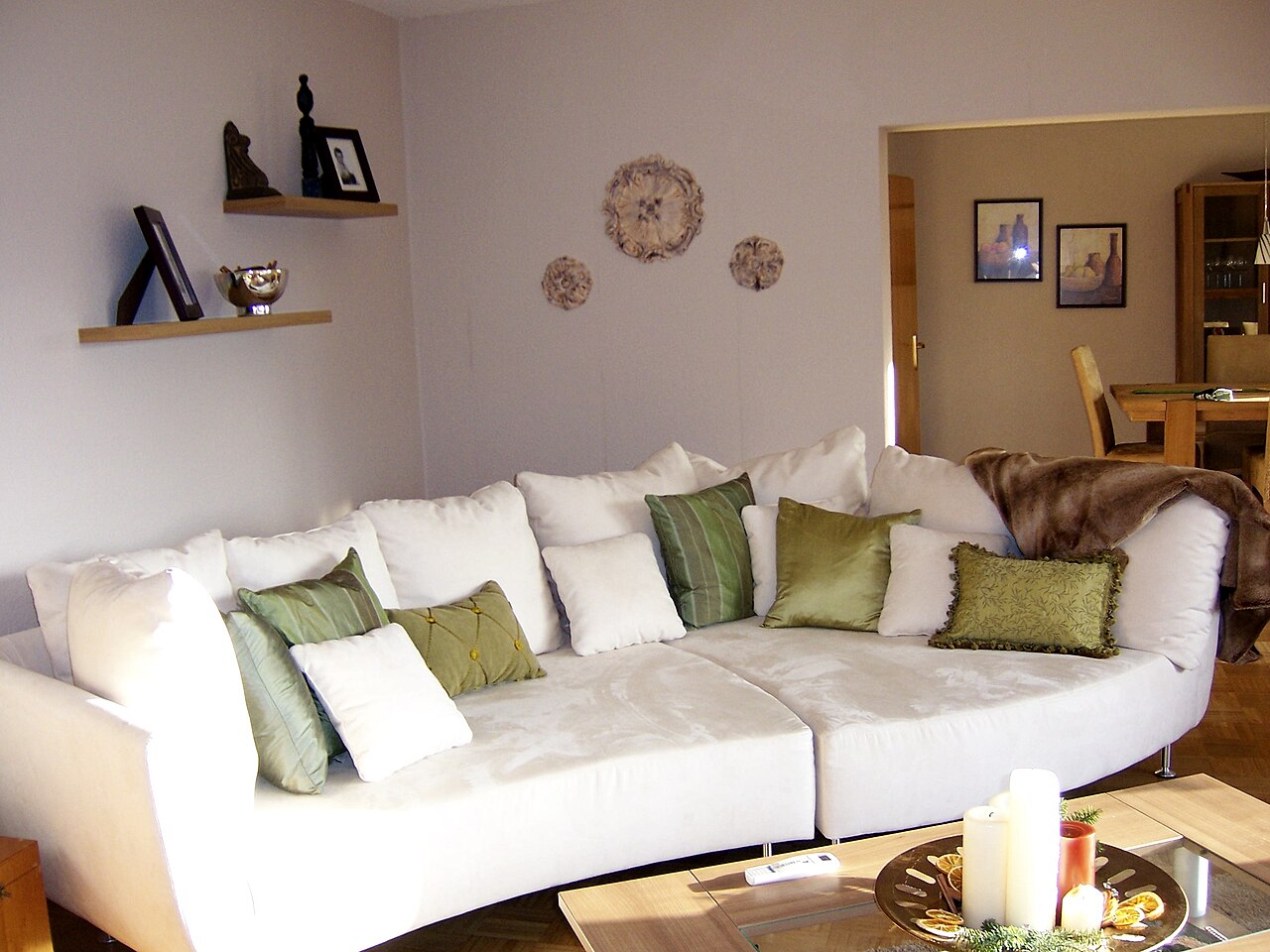
Photo: Reiner Kraft from Gilroy, USA · CC BY 2.0. Full-frame photograph; cover thumbnails may crop for layout.

Turn the agreement into a plan people can use
Translate the conversation into a few practical commitments: who is joining, which moments are shared, what is optional, how people move independently and who owns the remaining checks. Do not make the organiser the default answer to every blank field.
Keep personal explanations separate from the practical requirements they create. The crew may need to know that a room arrangement does not work; it does not automatically need the private reason. Make it possible to ask for a change without presenting a personal case to the whole group.
Revisit only the parts affected by new information. A changed arrival time may require a new transfer, but it does not necessarily reopen every restaurant, room and activity decision. Record the smallest useful update and tell the people it affects.
A message or brief you can copy
Replace the bracketed fields with your own details. Read the complete text before sending it; copying it here does not send a message or perform an action.
Before booking, confirm [room + bed + occupants], [bathroom arrangement], [quiet hours] and [cost share]. Please flag any setup that does not work privately if preferred. We will not treat advertised capacity as proof that everyone is comfortable sharing.
Before you call it settled
- Practical requirements and shared moments are explicit.
- Optional participation is possible without hidden transport or cost penalties.
- Rooms, responsibilities and contributions have been agreed.
- Private explanations are not copied into the group unnecessarily.
- The next action has an owner and a realistic deadline.
Put the final room plan beside the booking confirmation. Clear expectations should survive a change of organiser or a busy arrival day.
Put the decision somewhere useful
Keep the agreed plan and the information needed to act on it together in Limbo. Save the useful outcome of the conversation—not every abandoned option—and make clear what is still awaiting confirmation.
Sources and further reading
These references support the workflow and further checks; fictional examples are authored illustrations, not evidence of live prices, bookings or customer outcomes.