September 1, 2026 · Limbo Crew
The group-trip organiser should not have to do everything
Divide research, decisions and booking responsibilities without losing the shared plan. Practical steps and a worked example.
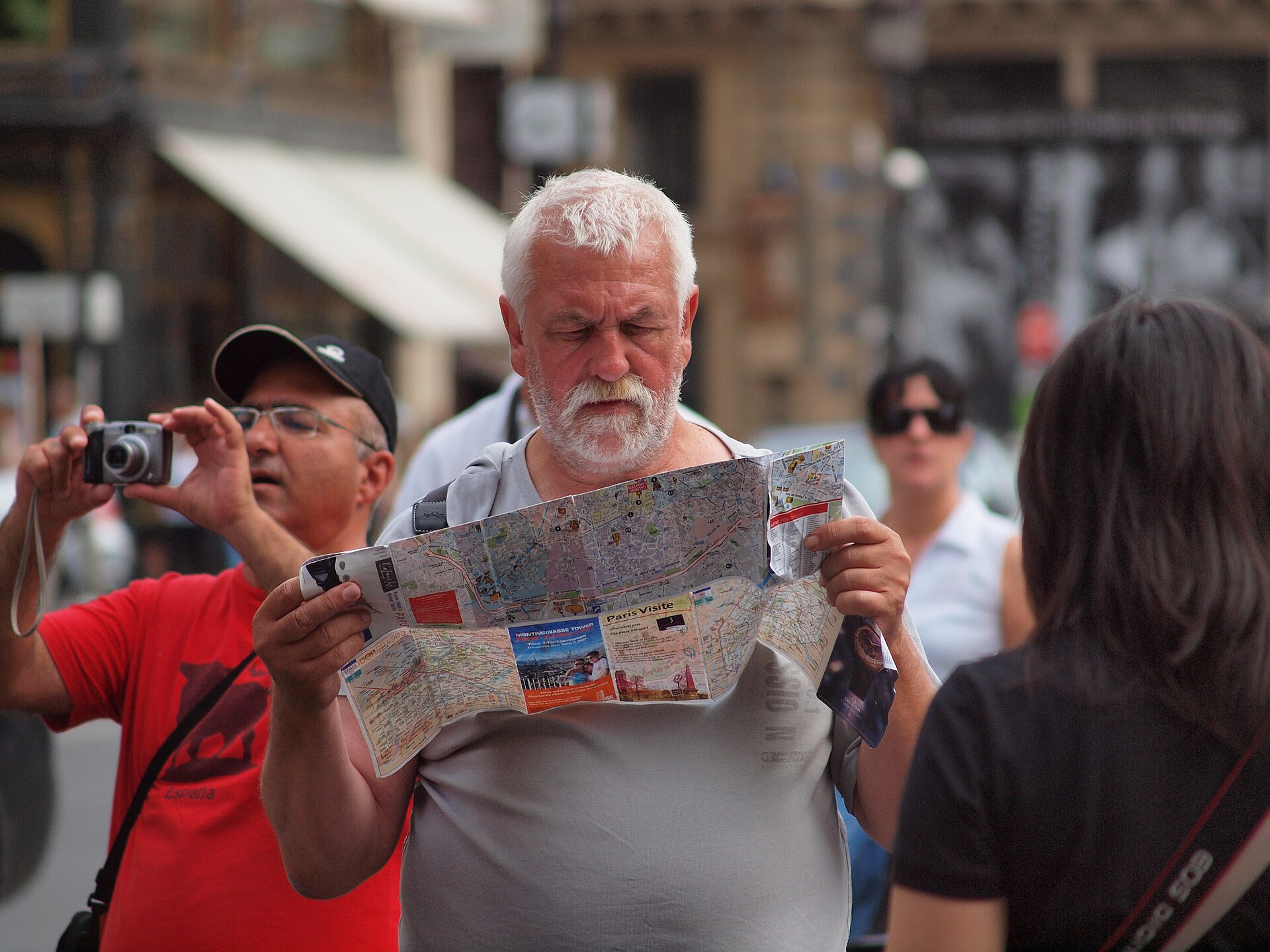
Photo: Archibald Ballantine · CC BY 2.0. Full-frame photograph; cover thumbnails may crop for layout.

Being the organiser should not mean being the travel agent, debt collector and sole keeper of every booking reference. Split work into small, finishable responsibilities while leaving the group with one coherent plan.
In this guide: Divide research, decisions and booking responsibilities without losing the shared plan.
1. Assign outcomes, not vague areas
Instead of ‘Sam does accommodation’, ask Sam to return two suitable stays with actual bed arrangements, full totals and cancellation terms by Thursday. A clear output makes it possible for someone else to help or take over.
2. Separate researcher, decider and booker
Researching an option does not grant authority to choose it or spend the crew’s money. Name who checks details, how the group decides and who books after approval. One person can fill several roles, but the boundaries should remain clear.
3. Keep the handoff visible
Store the current shortlist and final confirmation with the trip. Ask each owner to report done, blocked or awaiting a decision. Do not create a system that requires the organiser to privately chase every update.
Worked example: what this looks like
Fictional scenario—not a real customer story or executed AI result.
A fictional six-person crew allocates rooms to Jo, airport options to Ali and restaurant requirements to Pat. Jo’s task is not complete when a hotel link appears: it is complete when the group can compare two suitable options. Ali flags that the transfer depends on arrival times, so each traveller supplies theirs. The organiser coordinates dependencies rather than redoing everyone’s research.

Photo: Ian Schneider goian · CC0. Full-frame photograph; cover thumbnails may crop for layout.
.jpg)
Turn the agreement into a plan people can use
Translate the conversation into a few practical commitments: who is joining, which moments are shared, what is optional, how people move independently and who owns the remaining checks. Do not make the organiser the default answer to every blank field.
Keep personal explanations separate from the practical requirements they create. The crew may need to know that a room arrangement does not work; it does not automatically need the private reason. Make it possible to ask for a change without presenting a personal case to the whole group.
Revisit only the parts affected by new information. A changed arrival time may require a new transfer, but it does not necessarily reopen every restaurant, room and activity decision. Record the smallest useful update and tell the people it affects.
A message or brief you can copy
Replace the bracketed fields with your own details. Read the complete text before sending it; copying it here does not send a message or perform an action.
Task: [specific outcome]. Owner: [name]. Needed by: [deadline]. Inputs required: [details]. Please return [format] and mark any unknowns. This task does not authorise a booking or payment. If blocked, say what you need and from whom.
Before you call it settled
- Practical requirements and shared moments are explicit.
- Optional participation is possible without hidden transport or cost penalties.
- Rooms, responsibilities and contributions have been agreed.
- Private explanations are not copied into the group unnecessarily.
- The next action has an owner and a realistic deadline.
Delegation works when a finished task reduces uncertainty. Reward a clear ‘I cannot confirm this yet’ as useful progress, not as a reason to take the task back.
Put the decision somewhere useful
Keep the agreed plan and the information needed to act on it together in Limbo. Save the useful outcome of the conversation—not every abandoned option—and make clear what is still awaiting confirmation.
Sources and further reading
These references support the workflow and further checks; fictional examples are authored illustrations, not evidence of live prices, bookings or customer outcomes.