August 16, 2026 · Limbo Crew
Should the biggest bedroom cost more?
Offer transparent ways to divide accommodation with unequal rooms. Practical steps and a worked example.
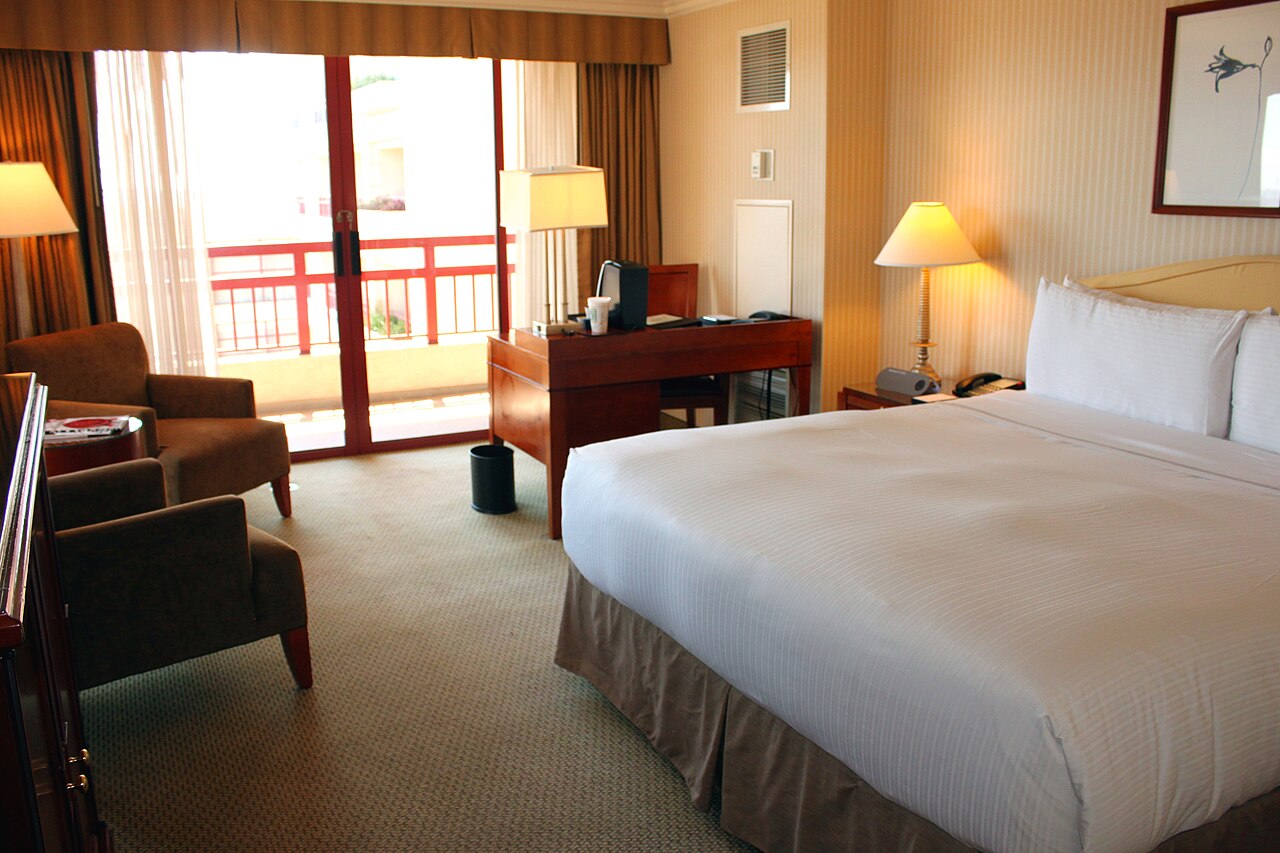
Photo: Prayitno / Thank you for (12 millions +) view from Los Angeles, USA · CC BY 2.0. Full-frame photograph; cover thumbnails may crop for layout.
.jpg)
A master suite and a sofa bed are not interchangeable just because they share an address. If the rooms differ, agree whether the cost should differ before the nicest room is claimed.
In this guide: Offer transparent ways to divide accommodation with unequal rooms.
1. Describe the differences that matter
Compare privacy, bed type, bathroom access and noise. Avoid assigning arbitrary premiums to decorative features nobody values. Ask the occupants what trade-offs they are comfortable with.
2. Compare simple methods
Options include an equal split by agreement, a room-based allocation or a transparent weighting. Keep the model simple enough to explain and make sure the totals match the booking.
3. Let people choose with prices visible
Publish proposed room shares before selecting occupants. If nobody wants a room at its proposed price, revisit the allocation rather than pressuring the last person to accept it.
Worked example: what this looks like
Fictional scenario—not a real customer story or executed AI result.
A fictional three-room stay costs AUD 2,100. The crew agrees weights of 1.2, 1.0 and 0.8, totalling 3.0. Room shares become AUD 840, AUD 700 and AUD 560. Occupants then split their room share according to their own agreement. The weights are negotiated preferences, not objective market valuations.
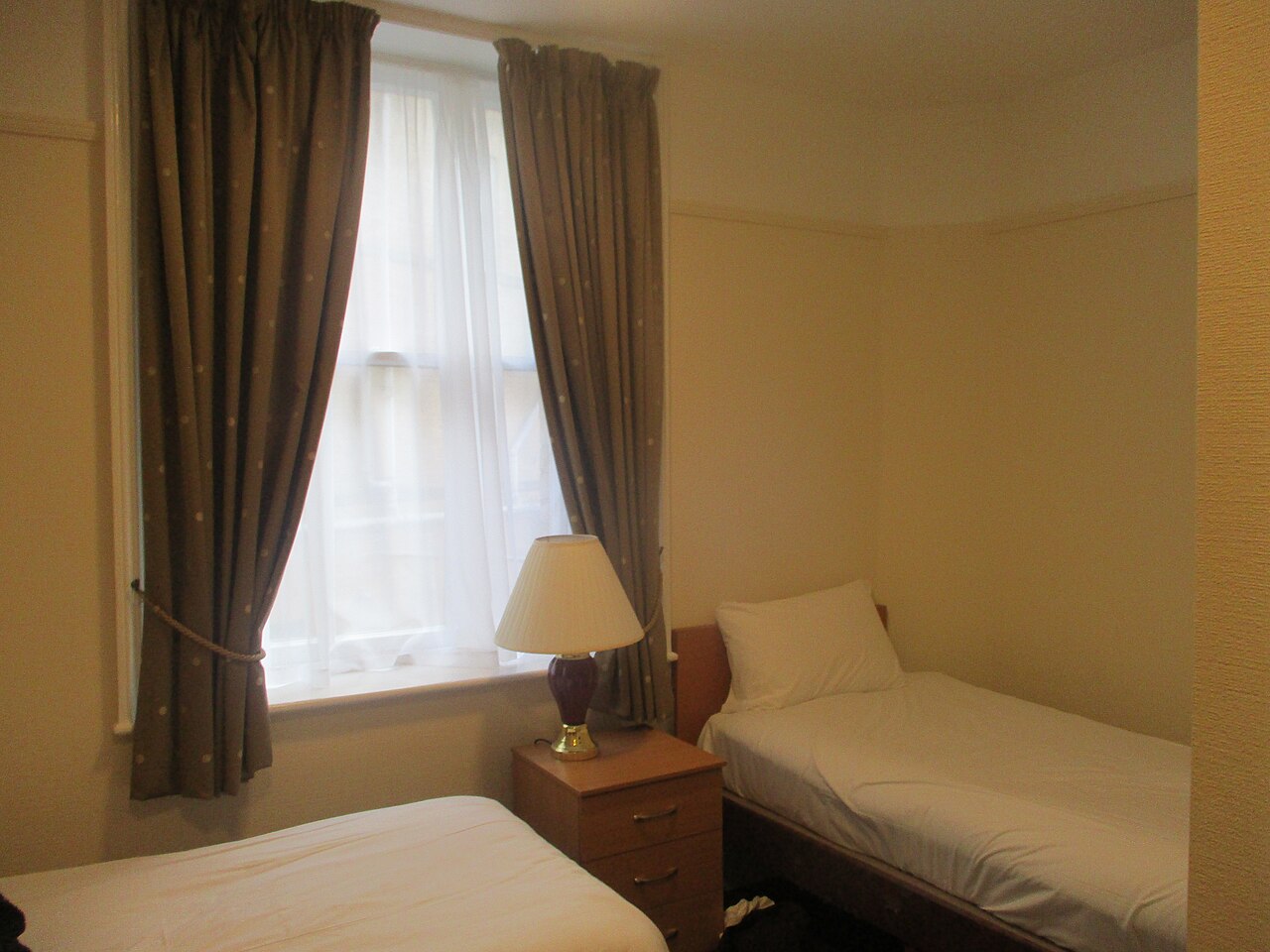
Photo: Mtaylor848 · CC BY-SA 4.0. Full-frame photograph; cover thumbnails may crop for layout.
_002.jpg)
Keep estimates, commitments and actual payments distinct
Use three columns in the shared record: proposed allowance, accepted commitment and actual amount paid. They answer different questions. A budget tells you what the crew intends to spend; a supplier confirmation shows what was purchased; a payment record shows who supplied the money.
Always preserve the original currency and label any conversion basis. Keep refundable holds and expected refunds separate from final consumed costs. Otherwise a tidy-looking total can conceal a temporary funding need or money that has not actually returned.
When someone queries a number, show the underlying receipt, participants and agreed allocation method. Correct missing facts before discussing fairness. If the disagreement is about the method itself, pause the affected allocation and agree it explicitly rather than quietly changing everyone’s share.
A message or brief you can copy
Replace the bracketed fields with your own details. Read the complete text before sending it; copying it here does not send a message or perform an action.
The booking total is [amount]. Proposed room shares are [amounts] based on [privacy, beds, bathroom]. Please agree the method before choosing rooms. If the arrangement does not work for someone, we will revisit the property or split before paying.
Before you call it settled
- The total matches its component amounts and currency.
- Payers, beneficiaries and the allocation method are visible.
- Estimates, refundable holds and actual payments are separate.
- The exact supplier terms have been checked before committing.
- Everyone affected has agreed to the relevant cost boundary.
A weighted split is useful only when it makes the agreement clearer. Do not replace a friendly conversation with a formula nobody understands.
Put the decision somewhere useful
Keep the agreed plan and the information needed to act on it together in Limbo. Save the useful outcome of the conversation—not every abandoned option—and make clear what is still awaiting confirmation.
Sources and further reading
These references support the workflow and further checks; fictional examples are authored illustrations, not evidence of live prices, bookings or customer outcomes.