September 7, 2026 · Limbo Crew
One big trip vote or several smaller votes?
Show when to decide an entire package and when to separate accommodation from activities. Practical steps and a worked example.

Photo: Ewan Robertson ewan121 · CC0. Full-frame photograph; cover thumbnails may crop for layout.
.jpg)
Bundling every choice into one vote can make an otherwise good trip fail because of one expensive extra. Splitting everything into dozens of tiny votes can overwhelm the crew. Match the size of the vote to the dependency between its parts.
In this guide: Show when to decide an entire package and when to separate accommodation from activities.
1. Bundle things that only work together
A stay and its required transfer may form one meaningful commitment. Show the combined total and explain why choosing one without the other would not work.
2. Separate genuinely optional extras
A premium dinner or boat outing should be separate if some people can skip it without changing the core trip. Explain any minimum group size or shared transport dependency.
3. Control the decision load
Group related questions and sequence them. Avoid asking for activity votes before dates and accommodation are viable. Give the crew a short list of what needs a response now and what can wait.
Worked example: what this looks like
Fictional scenario—not a real customer story or executed AI result.
A fictional beach weekend has a basic stay, necessary airport transfer and optional sailing afternoon. The crew considers the stay-plus-transfer as one core proposal, then sailing separately. The sailing price depends on at least four participants, so the optional proposal states that condition. Two friends skip it without losing their place on the trip.
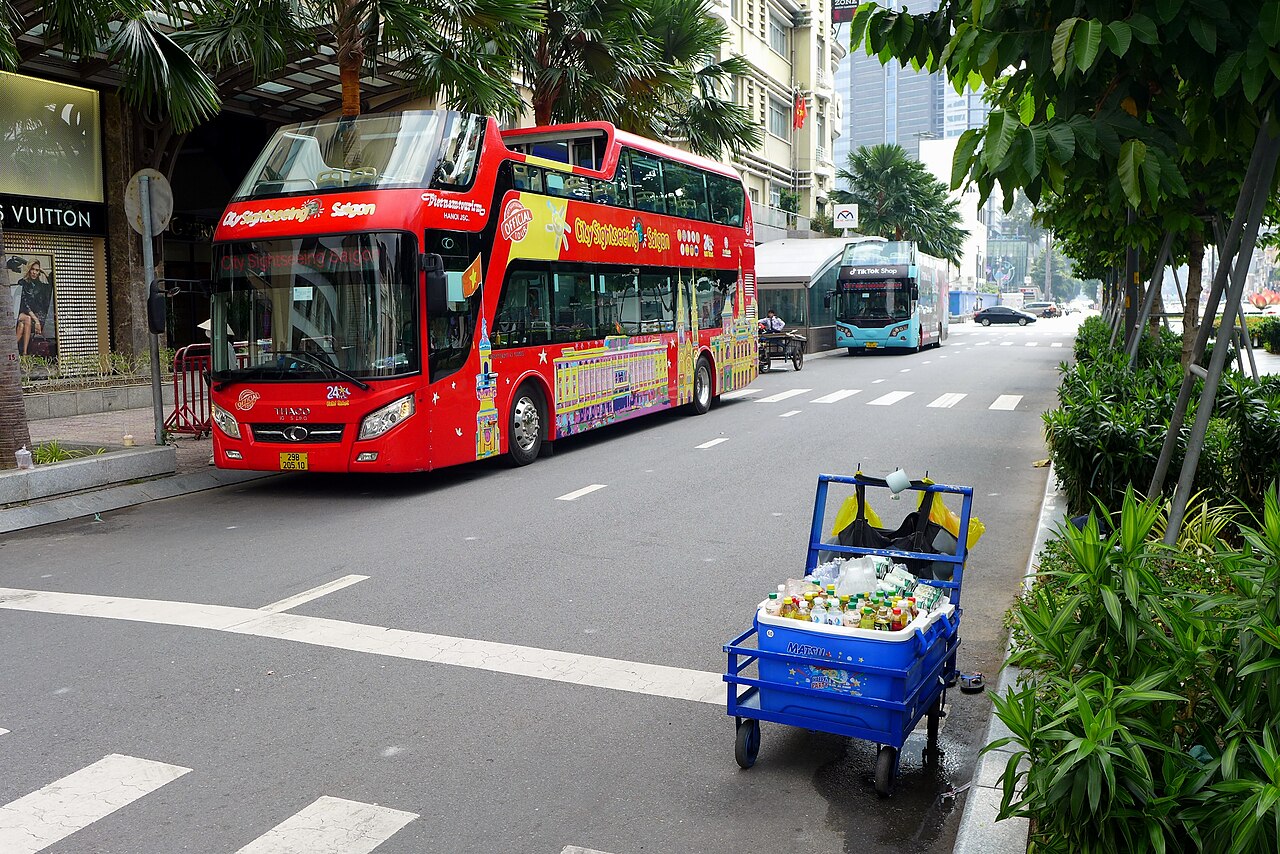
Photo: Bahnfrend · CC BY-SA 4.0. Full-frame photograph; cover thumbnails may crop for layout.
.jpg)
Make the decision bookable, not merely popular
A proposal needs a stable meaning from the moment people read it to the moment someone acts on it. Keep the dates, people, total-cost basis and important conditions together. If those facts change, explain the new version instead of silently editing the commitment beneath an earlier response.
Do not confuse three separate stages: an idea is worth considering, the group supports a specific proposal, and the affected people have authorised the booking and their contribution. A ballot helps with the middle stage. It does not verify supplier availability or move money.
Before closing the discussion, write the next action as a sentence with an owner: “Jordan will confirm the exact room arrangement by Thursday, then ask the crew to approve the current booking total.” That is more useful than “sorted”.
A message or brief you can copy
Replace the bracketed fields with your own details. Read the complete text before sending it; copying it here does not send a message or perform an action.
Core proposal: [required items and total]. Optional proposal: [extra and incremental cost]. Dependency: [minimum participants or transport]. Approval of the core does not enrol anyone in the optional extra. We will check each person’s booking commitment separately.
Before you call it settled
- The proposal means the same thing to everyone reading it.
- Hard constraints are handled before preferences are compared.
- Each person chooses their own response; silence is not a payment instruction.
- The actual ballot result and settings are understood.
- A named person owns the next supplier or booking check.
The right number of votes is the number needed to make honest choices possible, not the maximum number the tool can support.
Put the decision somewhere useful
Keep the proposal, current terms and next action with the trip in Limbo. Use the relevant help guide below for the actual workflow; the examples above do not create a booking or determine your configured ballot outcome.
Sources and further reading
Product guidance was reviewed against the local Limbo help content and voting implementation on 19 September 2026. The suggested group process is separate from the actual configured ballot rules.