August 28, 2026 · Limbo Crew
How to plan a multigenerational trip without exhausting anyone
Balance children, grandparents, travel distances and recovery time. Practical steps and a worked example.
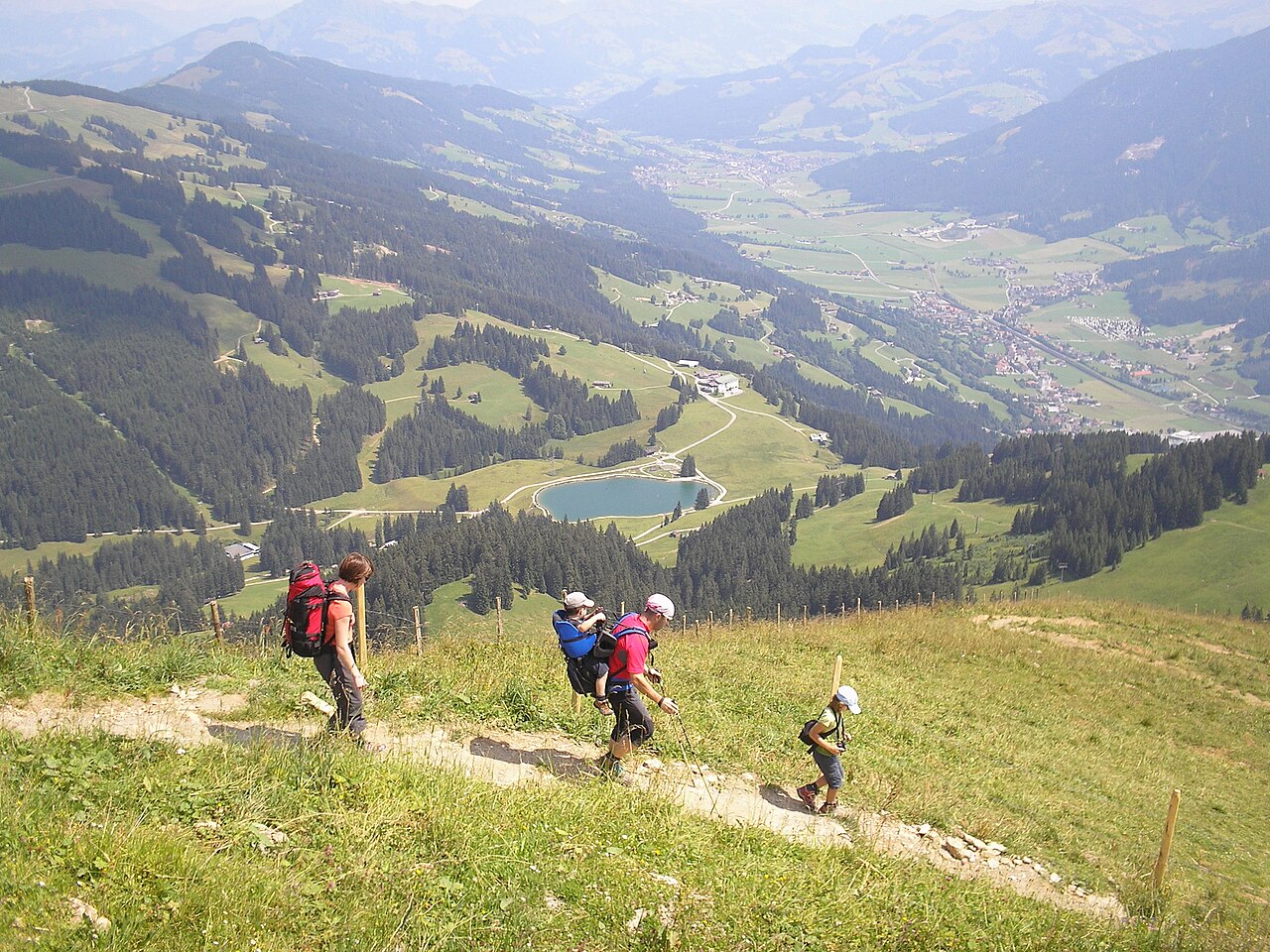
Photo: Sgroey · CC BY-SA 4.0. Full-frame photograph; cover thumbnails may crop for layout.

A multigenerational trip can include very different sleep, food, walking and privacy needs. Designing for an imaginary average traveller often suits nobody. Begin with the hardest practical constraints and build enjoyable overlap around them.
In this guide: Balance children, grandparents, travel distances and recovery time.
1. Gather usable needs
Ask about walking limits, rest periods, bed arrangements and essential food or access requirements. Do not infer capability from age. One grandparent may want a long walk while a younger adult needs a slower pace.
2. Choose a forgiving base
Prioritise practical access to food, rest and transport. Check actual room layout and lift or step arrangements where relevant. An impressive view is less useful if leaving and returning is difficult.
3. Plan shared moments with exit options
Keep a few core experiences together and provide an easy way to shorten the day. Name who accompanies children and how optional subgroups reconnect. Avoid making a relative the unpaid default carer.
Worked example: what this looks like
Fictional scenario—not a real customer story or executed AI result.
A fictional family builds a morning outing, nearby lunch and an open afternoon. One subgroup rests at the accommodation while another continues sightseeing. They meet for dinner without requiring a second long transfer. The plan works because returning early was designed in, not negotiated after someone becomes exhausted.

Photo: Igor123121 · CC BY 4.0. Full-frame photograph; cover thumbnails may crop for layout.

Turn the agreement into a plan people can use
Translate the conversation into a few practical commitments: who is joining, which moments are shared, what is optional, how people move independently and who owns the remaining checks. Do not make the organiser the default answer to every blank field.
Keep personal explanations separate from the practical requirements they create. The crew may need to know that a room arrangement does not work; it does not automatically need the private reason. Make it possible to ask for a change without presenting a personal case to the whole group.
Revisit only the parts affected by new information. A changed arrival time may require a new transfer, but it does not necessarily reopen every restaurant, room and activity decision. Record the smallest useful update and tell the people it affects.
A message or brief you can copy
Replace the bracketed fields with your own details. Read the complete text before sending it; copying it here does not send a message or perform an action.
For [family trip], share practical pacing, sleeping and access needs. Our shared anchors are [items]. Each day needs a short version, a rest option and a clear reunion point. Childcare and assistance are by explicit agreement, not assumed from family roles.
Before you call it settled
- Practical requirements and shared moments are explicit.
- Optional participation is possible without hidden transport or cost penalties.
- Rooms, responsibilities and contributions have been agreed.
- Private explanations are not copied into the group unnecessarily.
- The next action has an owner and a realistic deadline.
A successful family plan leaves people wanting the next shared moment. It does not measure success by the number of places everyone endured together.
Put the decision somewhere useful
Keep the agreed plan and the information needed to act on it together in Limbo. Save the useful outcome of the conversation—not every abandoned option—and make clear what is still awaiting confirmation.
Sources and further reading
These references support the workflow and further checks; fictional examples are authored illustrations, not evidence of live prices, bookings or customer outcomes.