August 31, 2026 · Limbo Crew
How to plan a holiday for friends with different energy levels
Build shared anchors and optional activity blocks. Practical steps and a worked example.

Photo: Jakub Hałun · CC BY 4.0. Full-frame photograph; cover thumbnails may crop for layout.

One traveller wants sunrise hikes, another wants a slow breakfast and a third wants both on alternate days. A shared holiday does not need a single energy setting. Build a common backbone with choices around it.
In this guide: Build shared anchors and optional activity blocks.
1. Choose shared anchors
Agree a small number of meals or experiences the group genuinely wants together. Put them at times people can reasonably reach. These anchors make the trip feel shared without requiring identical days.
2. Design optional branches
Offer a more active and a slower version around the same meeting point. State transport, cost and return arrangements for each. An optional hike is not truly optional if the only car leaves everyone else stranded.
3. Protect recovery time
Leave space after travel, late nights and demanding outings. Ask about practical pacing needs without requiring personal explanations. Avoid treating rest as an empty slot to fill.
Worked example: what this looks like
Fictional scenario—not a real customer story or executed AI result.
A fictional Saturday has a shared early dinner. Two friends walk in the morning, two visit a nearby gallery and two sleep in. Each subgroup has independent transport and knows the dinner meeting point. The organiser does not schedule a mandatory afternoon tour just because the calendar looks sparse.
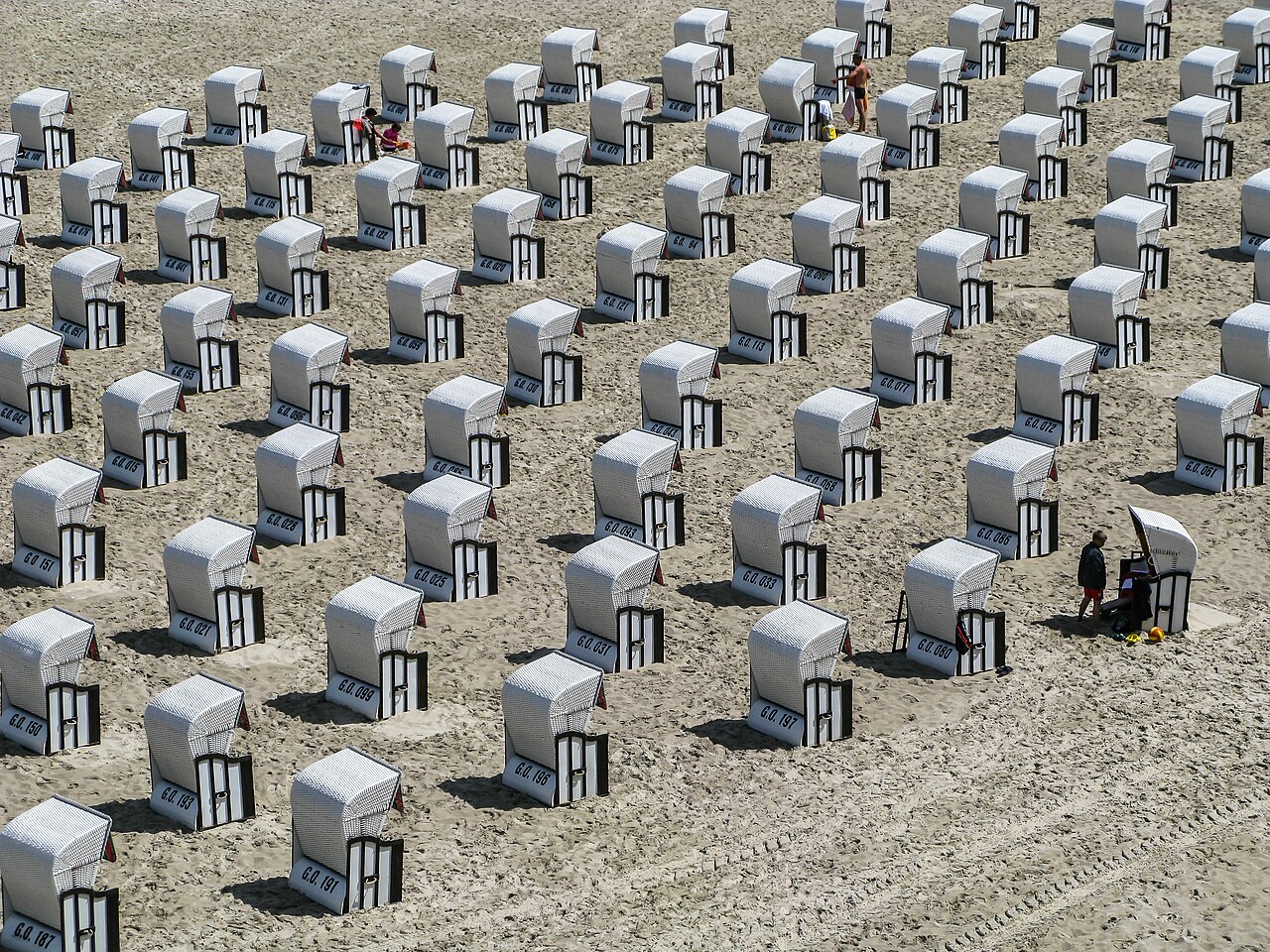
Photo: Dietmar Rabich · CC BY-SA 4.0. Full-frame photograph; cover thumbnails may crop for layout.

Turn the agreement into a plan people can use
Translate the conversation into a few practical commitments: who is joining, which moments are shared, what is optional, how people move independently and who owns the remaining checks. Do not make the organiser the default answer to every blank field.
Keep personal explanations separate from the practical requirements they create. The crew may need to know that a room arrangement does not work; it does not automatically need the private reason. Make it possible to ask for a change without presenting a personal case to the whole group.
Revisit only the parts affected by new information. A changed arrival time may require a new transfer, but it does not necessarily reopen every restaurant, room and activity decision. Record the smallest useful update and tell the people it affects.
A message or brief you can copy
Replace the bracketed fields with your own details. Read the complete text before sending it; copying it here does not send a message or perform an action.
Shared anchor: [place + time]. Before that, choose [active option], [slower option] or your own downtime. Costs and transport are separate: [details]. Please tell us only whether you will join the shared booking by [deadline].
Before you call it settled
- Practical requirements and shared moments are explicit.
- Optional participation is possible without hidden transport or cost penalties.
- Rooms, responsibilities and contributions have been agreed.
- Private explanations are not copied into the group unnecessarily.
- The next action has an owner and a realistic deadline.
The test is whether someone can choose a slower day without creating work or disappointment for everyone else. If not, redesign the dependency.
Put the decision somewhere useful
Keep the agreed plan and the information needed to act on it together in Limbo. Save the useful outcome of the conversation—not every abandoned option—and make clear what is still awaiting confirmation.
Sources and further reading
These references support the workflow and further checks; fictional examples are authored illustrations, not evidence of live prices, bookings or customer outcomes.