August 19, 2026 · Limbo Crew
How to organise a group ski holiday with mixed abilities
Separate lessons, terrain choices, non-ski days and shared evenings. Practical steps and a worked example.
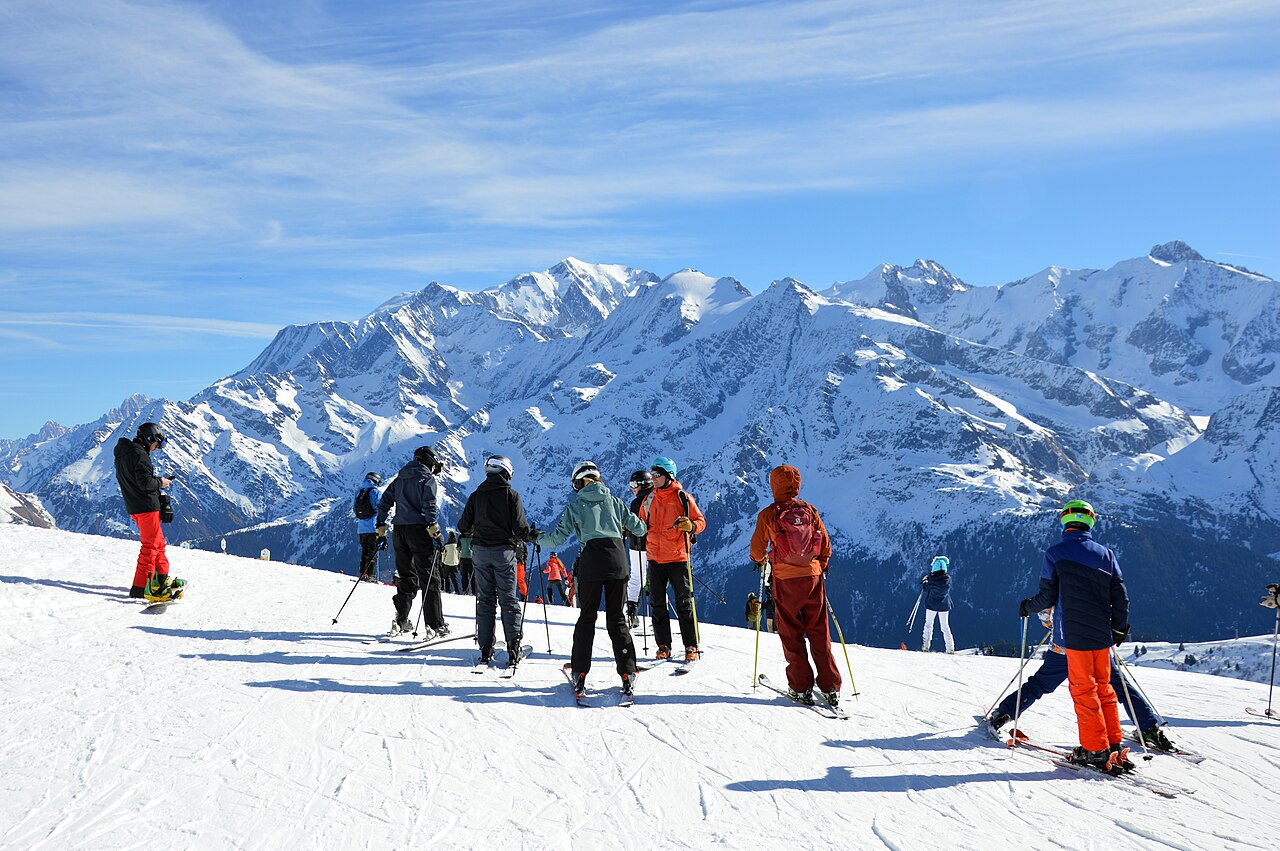
Photo: DimiTalen · CC0. Full-frame photograph; cover thumbnails may crop for layout.

A ski holiday is not one activity repeated by everyone. Beginners, confident skiers and non-skiers may need different lessons, terrain and daytime plans while still enjoying the same trip.
In this guide: Separate lessons, terrain choices, non-ski days and shared evenings.
1. Plan by actual experience and interests
Ask about ability, lesson preferences and whether skiing is the reason each person is coming. Do not assign terrain based on confidence in a group chat. Suitable instruction and current local guidance matter.
2. Compare the whole stay
Include equipment, lessons, passes, transport and non-ski options when evaluating a base. A cheaper room is not a saving if one subgroup needs inconvenient daily transfers.
3. Share evenings rather than every descent
Choose common meals and flexible reunion points. Let participants follow appropriate lessons or routes independently. Check operator advice and conditions rather than using an AI itinerary as a safety assessment.
Worked example: what this looks like
Fictional scenario—not a real customer story or executed AI result.
A fictional crew includes two beginners, two experienced skiers and a non-skier. It chooses a base with practical access for the beginners' lessons and something the non-skier actually wants to do. Shared dinners are fixed; daytime participation is separate. Costs are allocated to the activities each person chooses.
Photo: Vyacheslav Argenberg · CC BY 4.0. Full-frame photograph; cover thumbnails may crop for layout.

Turn the agreement into a plan people can use
Translate the conversation into a few practical commitments: who is joining, which moments are shared, what is optional, how people move independently and who owns the remaining checks. Do not make the organiser the default answer to every blank field.
Keep personal explanations separate from the practical requirements they create. The crew may need to know that a room arrangement does not work; it does not automatically need the private reason. Make it possible to ask for a change without presenting a personal case to the whole group.
Revisit only the parts affected by new information. A changed arrival time may require a new transfer, but it does not necessarily reopen every restaurant, room and activity decision. Record the smallest useful update and tell the people it affects.
A message or brief you can copy
Replace the bracketed fields with your own details. Read the complete text before sending it; copying it here does not send a message or perform an action.
For [ski trip], compare bases using [lesson needs], [experience levels], [non-ski interests] and [transport]. Itemise equipment, lessons, passes and accommodation separately. Follow current operator guidance; do not invent suitable terrain or treat group confidence as evidence of ability.
Before you call it settled
- Practical requirements and shared moments are explicit.
- Optional participation is possible without hidden transport or cost penalties.
- Rooms, responsibilities and contributions have been agreed.
- Private explanations are not copied into the group unnecessarily.
- The next action has an owner and a realistic deadline.
The goal is a holiday everyone chose, not a group photo that hides an unsuitable day for half the crew.
Put the decision somewhere useful
Keep the agreed plan and the information needed to act on it together in Limbo. Save the useful outcome of the conversation—not every abandoned option—and make clear what is still awaiting confirmation.
Sources and further reading
These references support the workflow and further checks; fictional examples are authored illustrations, not evidence of live prices, bookings or customer outcomes.