August 24, 2026 · Limbo Crew
How much together-time does a group holiday really need?
Agree which meals and outings are shared and which are optional. Practical steps and a worked example.

Photo: Original: Vyacheslav Argenberg Derivative work: UnpetitproleX · CC BY 4.0. Full-frame photograph; cover thumbnails may crop for layout.
.jpg)
Being on the same trip does not require moving as one unit from breakfast to bedtime. The more varied the crew, the more useful it is to agree what togetherness actually means before separate plans are mistaken for rejection.
In this guide: Agree which meals and outings are shared and which are optional.
1. Pick the must-share moments
Choose a few meals, outings or celebrations that define the trip. Ask everyone rather than assuming the organiser’s list represents the group.
2. Make free time a real category
Leave unassigned blocks in the itinerary. People can rest, explore or make small plans without seeking permission. Shared transport and keys must allow that independence.
3. Set light coordination rules
Agree how to confirm attendance at shared reservations and when to let someone know you will miss a meeting. Avoid turning optional time into constant location reporting.
Worked example: what this looks like
Fictional scenario—not a real customer story or executed AI result.
A fictional five-night holiday has three shared dinners and two group outings. The rest is flexible. One pair books a gallery visit, another spends an afternoon reading, and everyone knows which reservations require a final headcount. The group stops treating a blank calendar block as missing planning.
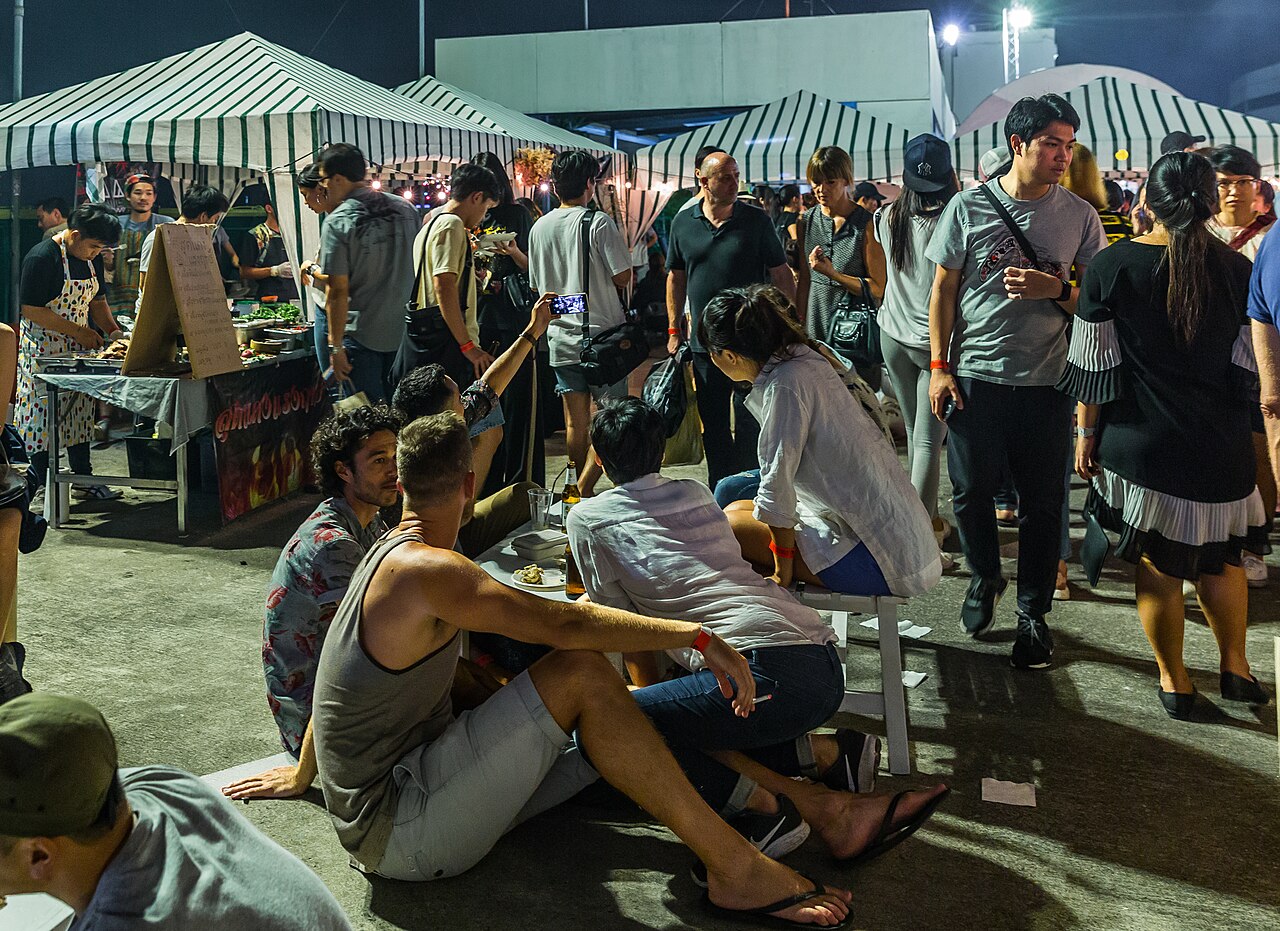
Photo: Ninara from Helsinki, Finland · CC BY 2.0. Full-frame photograph; cover thumbnails may crop for layout.
.jpg)
Turn the agreement into a plan people can use
Translate the conversation into a few practical commitments: who is joining, which moments are shared, what is optional, how people move independently and who owns the remaining checks. Do not make the organiser the default answer to every blank field.
Keep personal explanations separate from the practical requirements they create. The crew may need to know that a room arrangement does not work; it does not automatically need the private reason. Make it possible to ask for a change without presenting a personal case to the whole group.
Revisit only the parts affected by new information. A changed arrival time may require a new transfer, but it does not necessarily reopen every restaurant, room and activity decision. Record the smallest useful update and tell the people it affects.
A message or brief you can copy
Replace the bracketed fields with your own details. Read the complete text before sending it; copying it here does not send a message or perform an action.
Together-time anchors: [list]. Everything else is optional unless we agree otherwise. For shared bookings, confirm by [deadline]. If your plans change, update [person/location] so nobody waits or pays for a place you no longer need.
Before you call it settled
- Practical requirements and shared moments are explicit.
- Optional participation is possible without hidden transport or cost penalties.
- Rooms, responsibilities and contributions have been agreed.
- Private explanations are not copied into the group unnecessarily.
- The next action has an owner and a realistic deadline.
Review the balance after the first day. A plan can become more social or more spacious without anyone having planned it ‘wrong’.
Put the decision somewhere useful
Keep the agreed plan and the information needed to act on it together in Limbo. Save the useful outcome of the conversation—not every abandoned option—and make clear what is still awaiting confirmation.
Sources and further reading
These references support the workflow and further checks; fictional examples are authored illustrations, not evidence of live prices, bookings or customer outcomes.