August 29, 2026 · Limbo Crew
Couples travelling with single friends: how to keep it fair
Discuss rooms, costs and alone time before booking. Practical steps and a worked example.

Photo: Ali Inay inayali · CC0. Full-frame photograph; cover thumbnails may crop for layout.
.jpg)
Two people sharing a room does not make their preferences count twice on every room allocation question, and travelling alone should not automatically mean paying more for less privacy. Discuss sleeping and spending arrangements before the booking hardens.
In this guide: Discuss rooms, costs and alone time before booking.
1. List rooms and occupants explicitly
Distinguish private rooms, shared rooms and common-space beds. Ask who is comfortable sharing; do not assume the single traveller will take the sofa because couples arrived as pairs.
2. Choose a transparent allocation basis
Compare a per-person split with a room-based or weighted split. Use actual access and room quality, not relationship status, as the basis. Agree the method before anyone picks the best room.
3. Leave space for different plans
Couples may want time together and single friends may want independent outings. Make that normal without building a trip where one person is repeatedly left without transport or company by default.
Worked example: what this looks like
Fictional scenario—not a real customer story or executed AI result.
A fictional stay costs AUD 2,400 for three nights and has two double rooms plus a single room. The crew compares agreed room shares of AUD 900, AUD 900 and AUD 600. Each couple pays AUD 450 per person while the solo occupant pays AUD 600 for a private room. This is one negotiated example, not a universal fair price. Everyone sees it before booking.
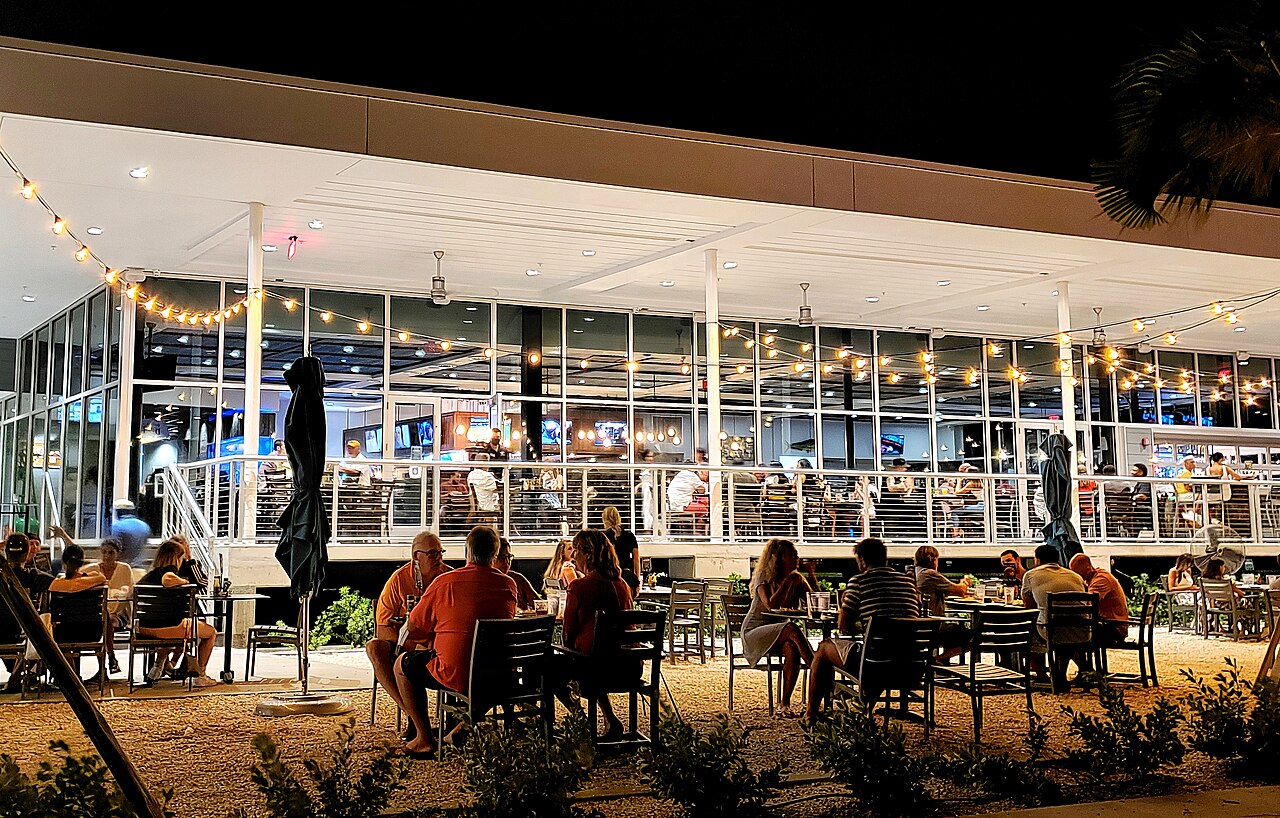
Photo: Calmuziclover · CC BY 2.0. Full-frame photograph; cover thumbnails may crop for layout.

Turn the agreement into a plan people can use
Translate the conversation into a few practical commitments: who is joining, which moments are shared, what is optional, how people move independently and who owns the remaining checks. Do not make the organiser the default answer to every blank field.
Keep personal explanations separate from the practical requirements they create. The crew may need to know that a room arrangement does not work; it does not automatically need the private reason. Make it possible to ask for a change without presenting a personal case to the whole group.
Revisit only the parts affected by new information. A changed arrival time may require a new transfer, but it does not necessarily reopen every restaurant, room and activity decision. Record the smallest useful update and tell the people it affects.
A message or brief you can copy
Replace the bracketed fields with your own details. Read the complete text before sending it; copying it here does not send a message or perform an action.
Room options are [actual rooms]. Proposed cost method: [basis]. Please confirm your preferred arrangement and comfortable share privately if needed. No one is assigned a sofa or premium room because of their relationship status.
Before you call it settled
- Practical requirements and shared moments are explicit.
- Optional participation is possible without hidden transport or cost penalties.
- Rooms, responsibilities and contributions have been agreed.
- Private explanations are not copied into the group unnecessarily.
- The next action has an owner and a realistic deadline.
Fairness needs consent as well as arithmetic. A mathematically neat split is still unsuitable if someone never agreed to the arrangement.
Put the decision somewhere useful
Keep the agreed plan and the information needed to act on it together in Limbo. Save the useful outcome of the conversation—not every abandoned option—and make clear what is still awaiting confirmation.
Sources and further reading
These references support the workflow and further checks; fictional examples are authored illustrations, not evidence of live prices, bookings or customer outcomes.