September 19, 2026 · Limbo Crew
How to plan a festive London trip with AI, one neighbourhood at a time
Plan London with AI. Copy detailed prompts, compare a simulated itinerary and refine your trip before saving to Limbo.
Lights, museums, markets and a West End show can make a wonderful London break. They can also become four journeys for every one enjoyable stop if the itinerary ignores geography.
Cluster the day first, then choose a single evening commitment. A show time is fixed; browsing and photographs are flexible. Ask the model to make that distinction visible instead of filling every hour equally.
The method: brief → first plan → specific refinement → verify → approve and save.

1. Give the assistant a brief it can make decisions with
Start with three useful inputs:
- Pick festive sights + show nights
- Choose a well-connected base
- Plan Christmas Day separately
Expand those bullets into constraints, preferences and choices. A constraint is something the plan must respect: a departure time, a child’s rest period or a hard spending ceiling. A preference is something you are willing to trade, such as a second museum in exchange for a slower afternoon. An unresolved choice should become a question, not a hidden assumption.
For this example, the brief is London, 10–14 December 2026, two adults aged 28 and 32. The travel boundaries are: arrive Heathrow at 10:00 on 10 December; depart at 18:00 on 14 December. The requirements are one well-connected hotel; lights, one museum and one show; moderate walking; cafés and indoor breaks; no assumption every festive market operates every day.
If the first answer skips an important detail, stop there and supply it. A route built on the wrong airport, room arrangement or traveller count is not improved by adding more detail later.

2. Copy the complete prompt, not just the destination
Replace every bracketed field below. Keep the questions, budget checks and approval step; those are what turn a request for inspiration into a planning workflow.
Plan London from [start date] to [end date] for [travellers + ages]. Arrival [time / airport]; departure [time / airport]. Ask missing questions first.

Budget: [amount + currency] per person, [including / excluding flights]. Interests [food / activities]; must-dos [list]; avoid [deal-breakers]. Needs [dietary / accessibility]; pace [relaxed / balanced / busy]; transport [preference]; stay [style / area].

Group London lights and markets by area. Plan Christmas Day around closures and transport limits; verify show tickets, festive dates and meal bookings, with indoor backups.

Build local-time daily plans with nearby stops, realistic journeys, meals, free time and a bad-weather backup. Show itemised estimates per person and a total. Link official sources for hours, prices, booking deadlines and holiday changes; flag uncertainty. Suggest trade-offs and help me refine.

Once Limbo is connected, preview [new trip name / existing trip name]. Confirm the correct trip. Wait for my explicit approval, then save that exact plan to Limbo and return its link. Do not book or pay.
3. See a fully filled-in version
Fictional worked brief. The dates, people, flight times and spending limits below are authored examples. They are not a real booking, a live price quote or a transcript from an AI account. Adapt them before using the prompt.
Plan London for 10–14 December 2026 for two adults aged 28 and 32. We arrive Heathrow at 10:00 on 10 December; depart at 18:00 on 14 December. Treat all times as local to the place concerned. These are fictional planning inputs, not confirmed bookings. Ask up to five important missing questions before producing a final itinerary; do not quietly invent our preferences.

Our planning ceiling is AUD 1,300 per person, AUD 2,600 for 2 travellers, excluding international flights, travel insurance and personal shopping. For a family, the per-person amount is a planning average, not a claim that adult and child prices are identical. Requirements: one well-connected hotel; lights, one museum and one show; moderate walking; cafés and indoor breaks; no assumption every festive market operates every day.

Group London lights and markets by area. Plan Christmas Day around closures and transport limits; verify show tickets, festive dates and meal bookings, with indoor backups. Apply Christmas or New Year checks only if they overlap our dates; do not add a celebration outside our stay.

Build local-time day-by-day plans with one main focus, nearby stops, meals, realistic travel allowances, free time and a bad-weather alternative. For each fixed booking, show its source, date, inclusion and cancellation questions. Distinguish an illustrative estimate from a verified live quote. Itemise accommodation, food, transport and activities without double-counting package inclusions. Reserve AUD 180 per person as contingency. If current quotes exceed the ceiling, show what must change rather than forcing the numbers to fit.

Use official sources for opening times, ticket rules and holiday changes. Label anything unconfirmed. Explain trade-offs and invite a refinement round. Do not book or pay.

Once Limbo is connected, preview a new trip named “London — December planning draft”. Ask me to confirm the correct trip and the exact final version. Wait for my explicit approval, then save that exact plan to Limbo and return its link. If anything fails, report what did and did not save; do not claim completion without a returned result.
A good response should make the day structure easy to scan and expose what it cannot yet confirm. If browsing is unavailable, ask for a planning skeleton and a verification list—not invented sources or confident opening times.

4. What a useful first result could look like
Simulated outcome—not real AI output. This is an editorial example of a planning skeleton for the brief above. Every visit and transfer remains subject to verification. The table shows the flow; it does not assert that a ticket, room or transport service is available.
| Date / block | Main plan | Space around it | What still needs checking |
|---|---|---|---|
| 10 Dec | Hotel arrival and a local meal | An optional short lights walk | Check arrival transport and avoid a fixed evening ticket. |
| 11 Dec | A museum-led day | A nearby meal and free time | Verify opening, entry and special exhibition terms. |
| 12 Dec | One central shopping-and-lights cluster | A show only after seat and timing checks | Plan dinner backwards from the performance time. |
| 13 Dec | One verified festive event or market | Indoor alternative and an unhurried afternoon | Confirm the event operates on the selected date. |
| 14 Dec | Breakfast, packing and airport transfer | No cross-city final stop | Check actual service changes. |
Before turning the skeleton into a timed plan, ask for separate blocks for the main activity, meals, travel and downtime. If a journey is not checked, label the duration as a provisional allowance. Do not let an attractive-looking timetable disguise missing transport information.
The useful test is simple: if the main activity takes longer or the weather changes, can you still eat, rest and reach the next fixed commitment? If the answer is no, remove something before adding precision.
Make the budget auditable
The figures below are invented allocations within the fictional traveller’s ceiling, not market estimates or a claim this holiday can be bought for this amount. They include contingency but exclude international flights, travel insurance and personal shopping. For mixed-age groups, the per-person column is an average allocation; real adult and child prices must be priced separately.
| Category | Per-person planning allocation | Whole-party allocation |
|---|---|---|
| Accommodation allocation | AUD 500 | AUD 1,000 |
| Food allocation | AUD 280 | AUD 560 |
| Local / intercity transport allocation | AUD 120 | AUD 240 |
| Activities / admission allocation | AUD 220 | AUD 440 |
| Protected contingency | AUD 180 | AUD 360 |
| Total ceiling | AUD 1,300 | AUD 2,600 |
Ask for a second table of dated supplier quotes when you are ready to research real costs. If a package includes meals, transport or admissions, remove those items from the other rows before comparing totals. Keep the contingency available; do not spend it simply to make the schedule look fuller. If the actual costs exceed the ceiling, revise the scope or budget openly.
5. Refine one real problem instead of saying “make it better”
Simulated first-draft problem: The draft scatters three festive markets across one afternoon before a theatre booking.
Give the assistant an explicit replacement instruction:
Keep just one verified market in a sensible route before the show. Add travel and an early meal, with a clear latest departure time. If the market is not operating, replace it with a nearby indoor block.
What the improved version changes: The evening no longer depends on three perfect transfers. The show remains the anchor rather than another item in an overfilled list.
Keep these three refinement checks in view:
- Check holiday transport first
- Book popular shows + meals
- Do not assume markets run daily
Ask the assistant to identify what it removed, what it kept and whether the change affects cost or bookings. That small explanation is useful: it prevents a seemingly improved plan from silently abandoning the one experience you cared about most.
A second refinement can test a disruption. Ask: “If our main outdoor block cannot happen, replace that block without adding another hotel move, exceeding the budget or duplicating prepaid tickets. Show any remaining uncertainty.” A genuine backup should fit the same constraints as the original day.
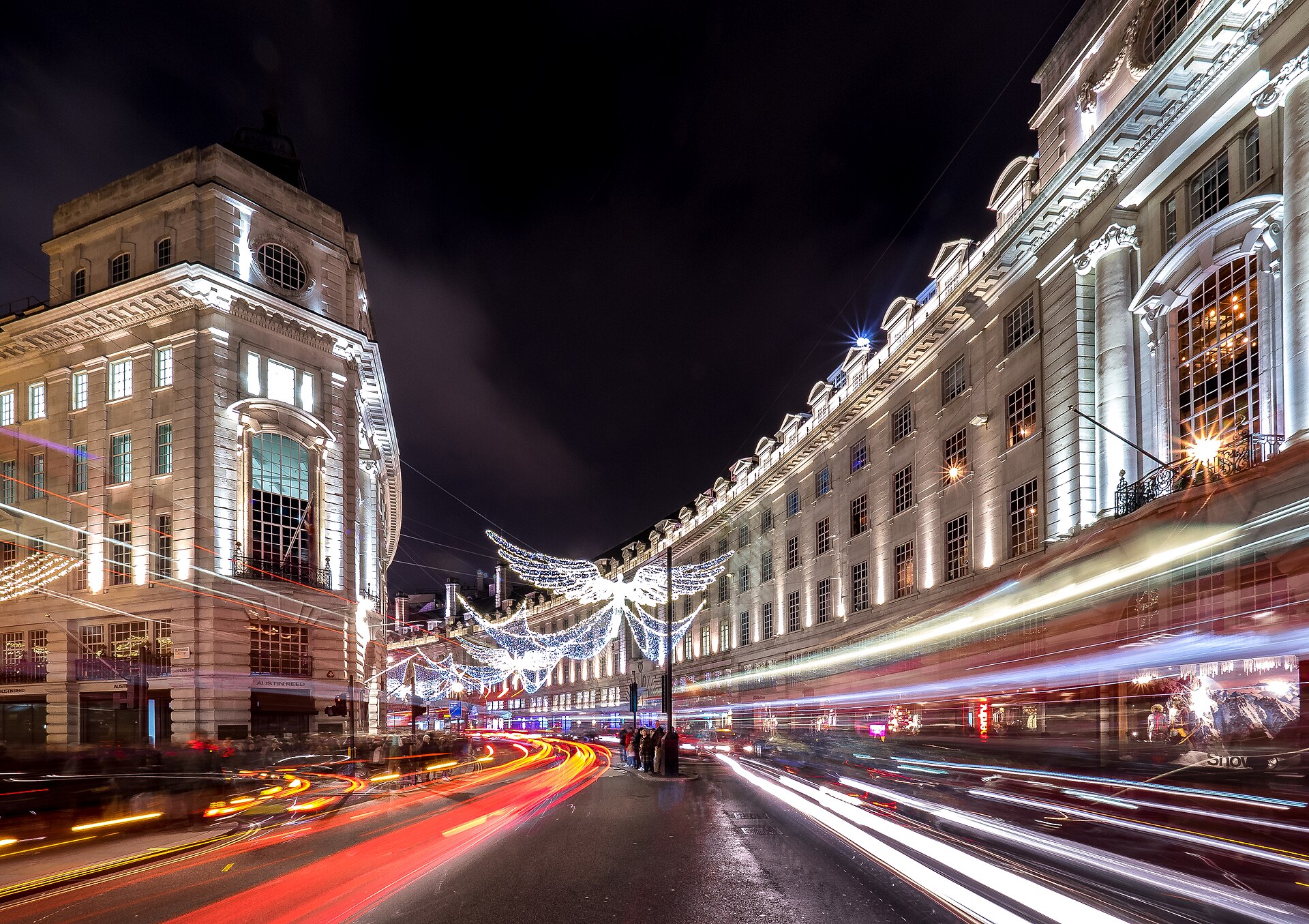

6. Check the details that can break the plan
For this guide, the priority checks are: Event dates; theatre tickets and start time; museum entry; transport changes; meal reservations; 24–26 December rules if the trip dates change.
Use three labels when reviewing the answer:
- Confirmed for our date: supported by an official source or an actual supplier confirmation, with the date checked.
- Planning assumption: useful for comparison, but not a verified service, booking or price.
- Decision still needed: something the travellers must choose, such as a hotel base, paid upgrade or shared cost.
Do not ask the AI to convert the second and third labels into the first just to make the itinerary look finished. A visible unknown is more helpful than false certainty.
Official places to continue checking
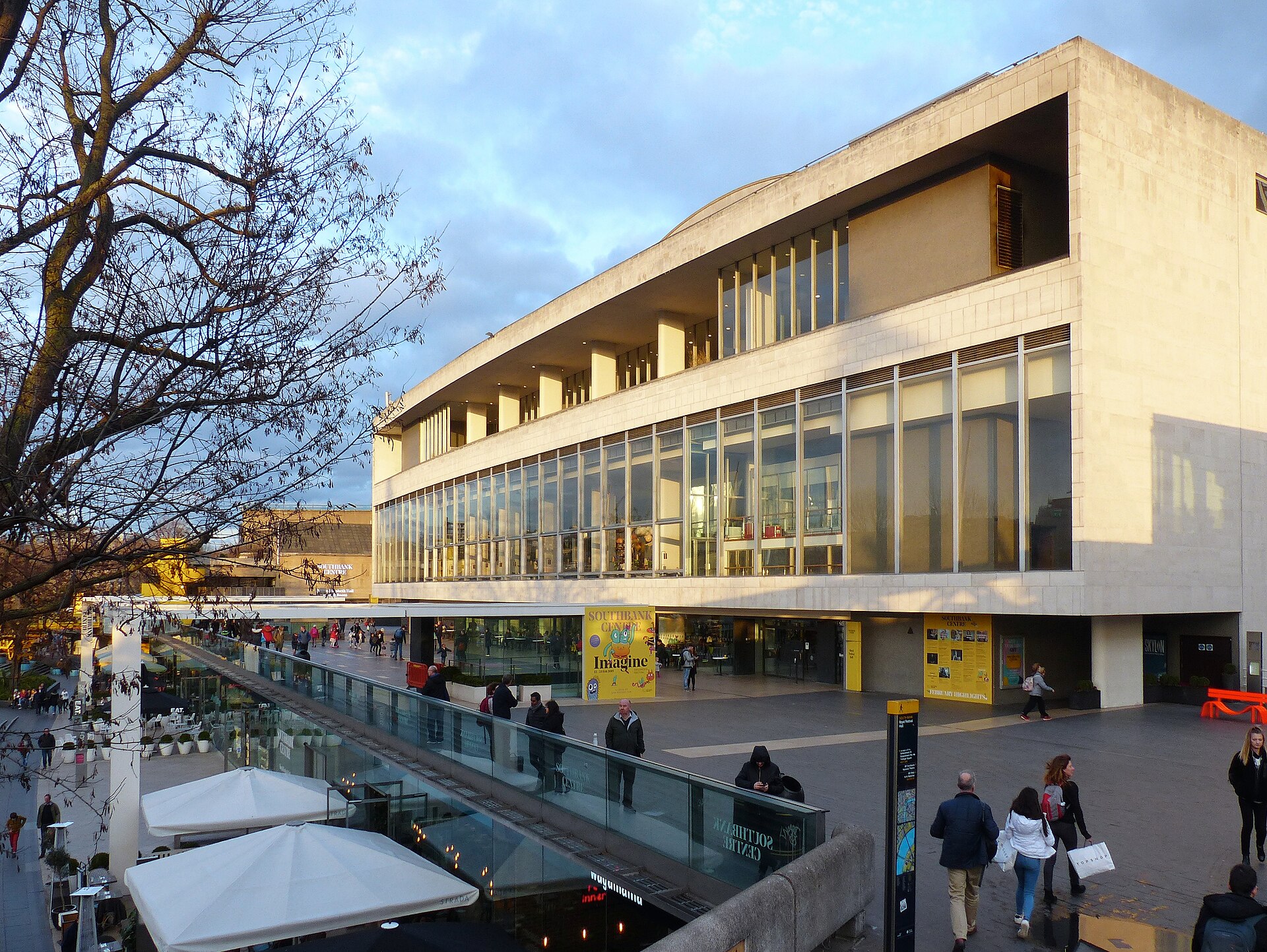
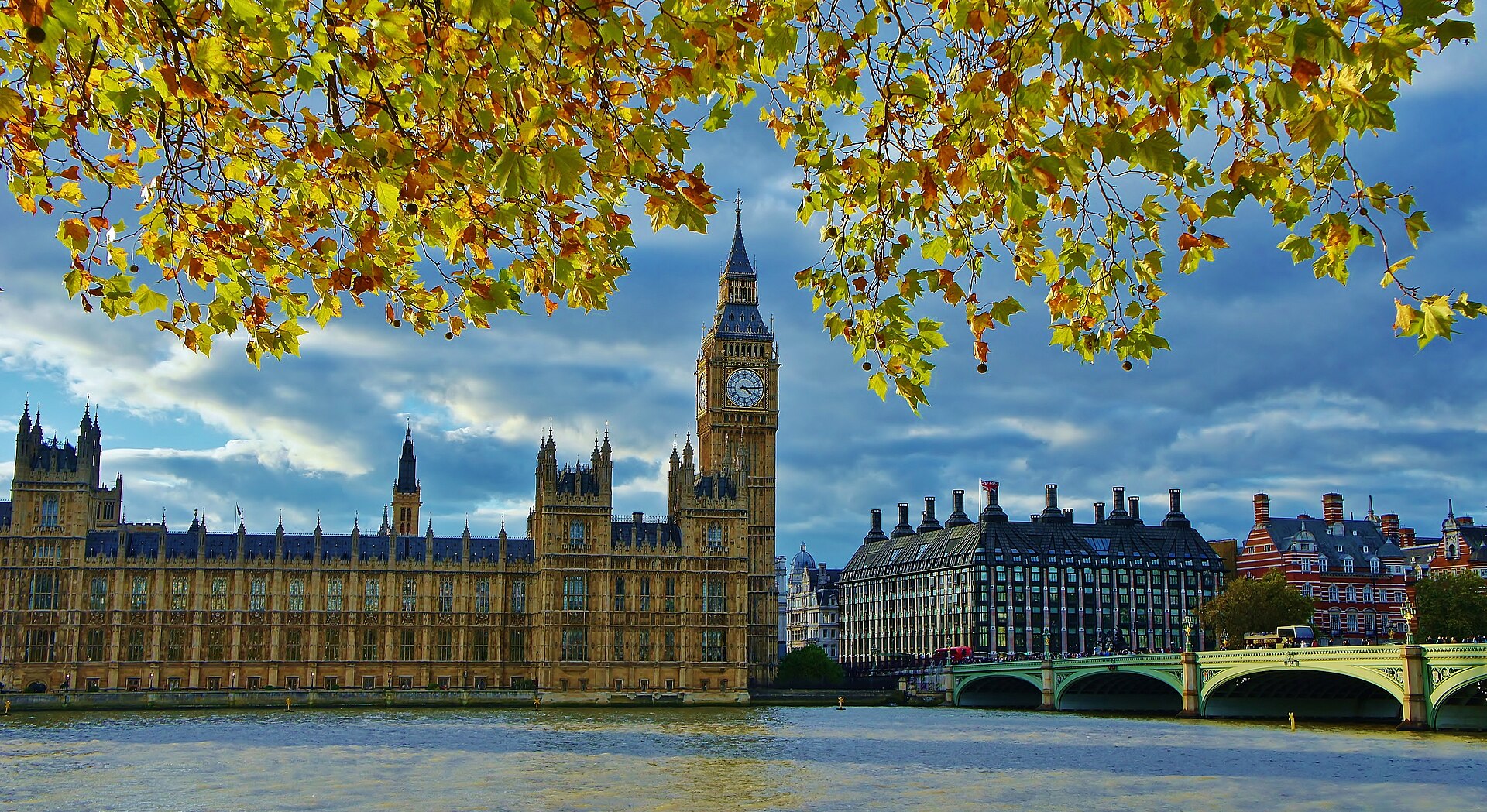
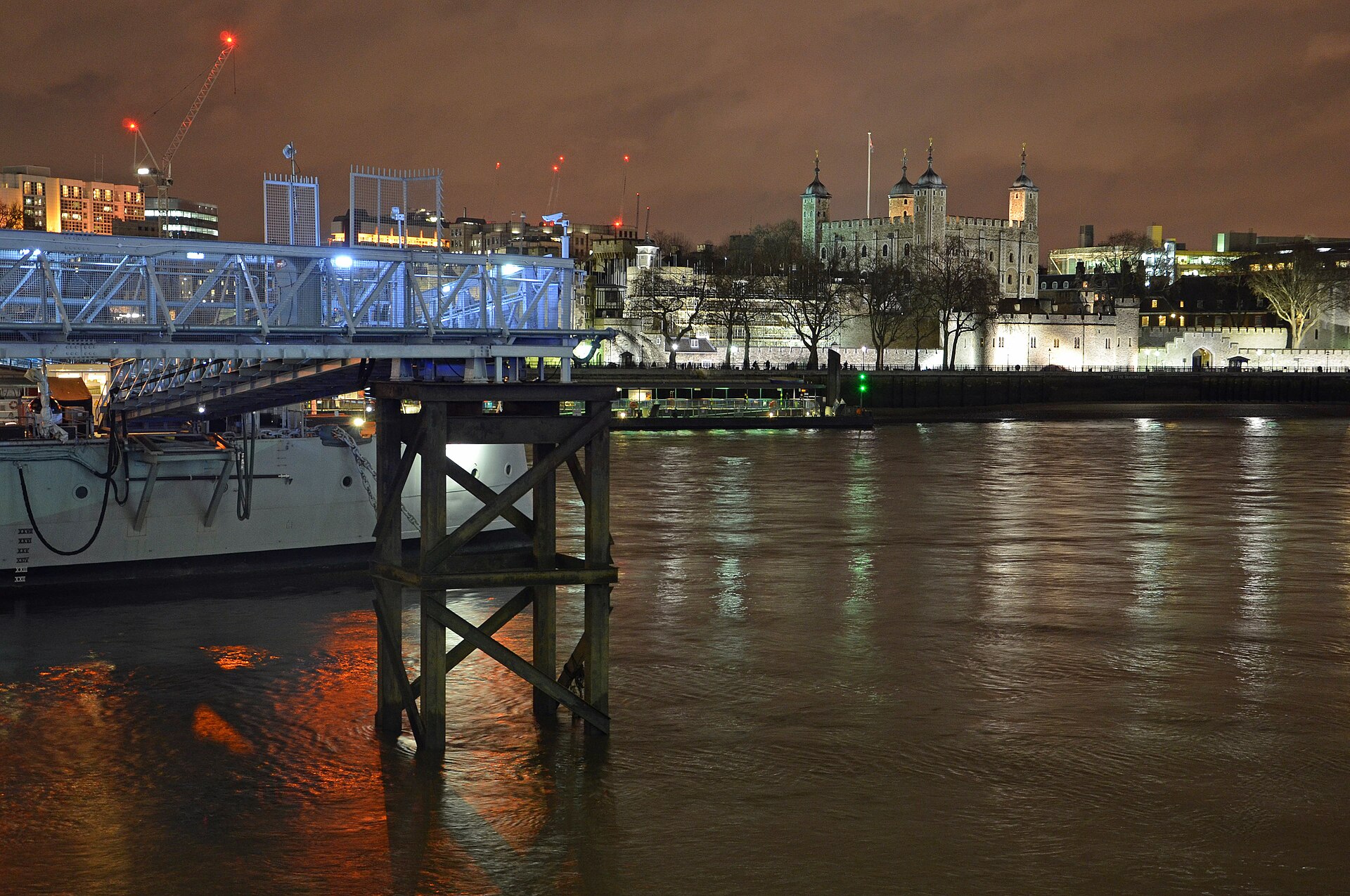
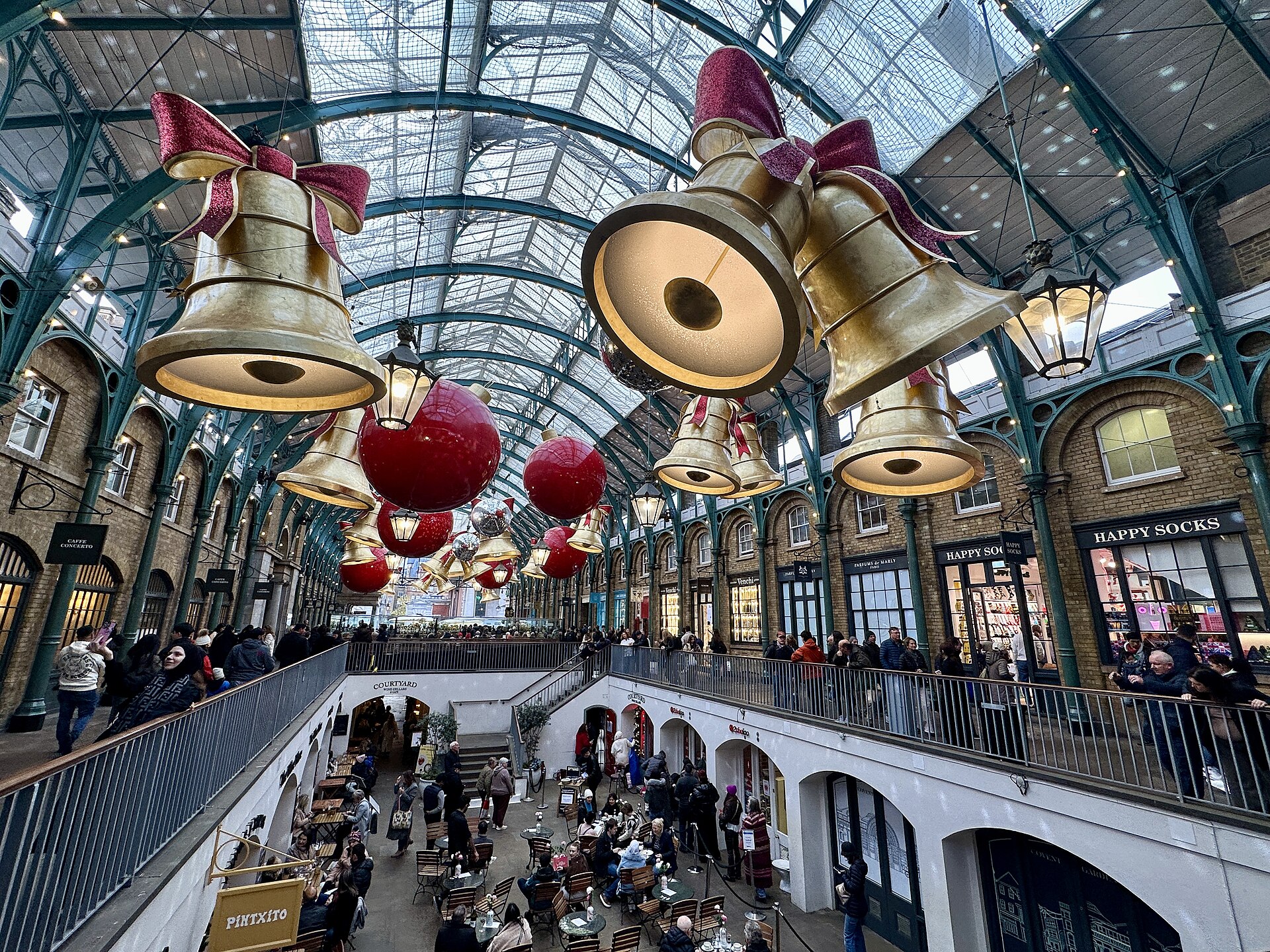
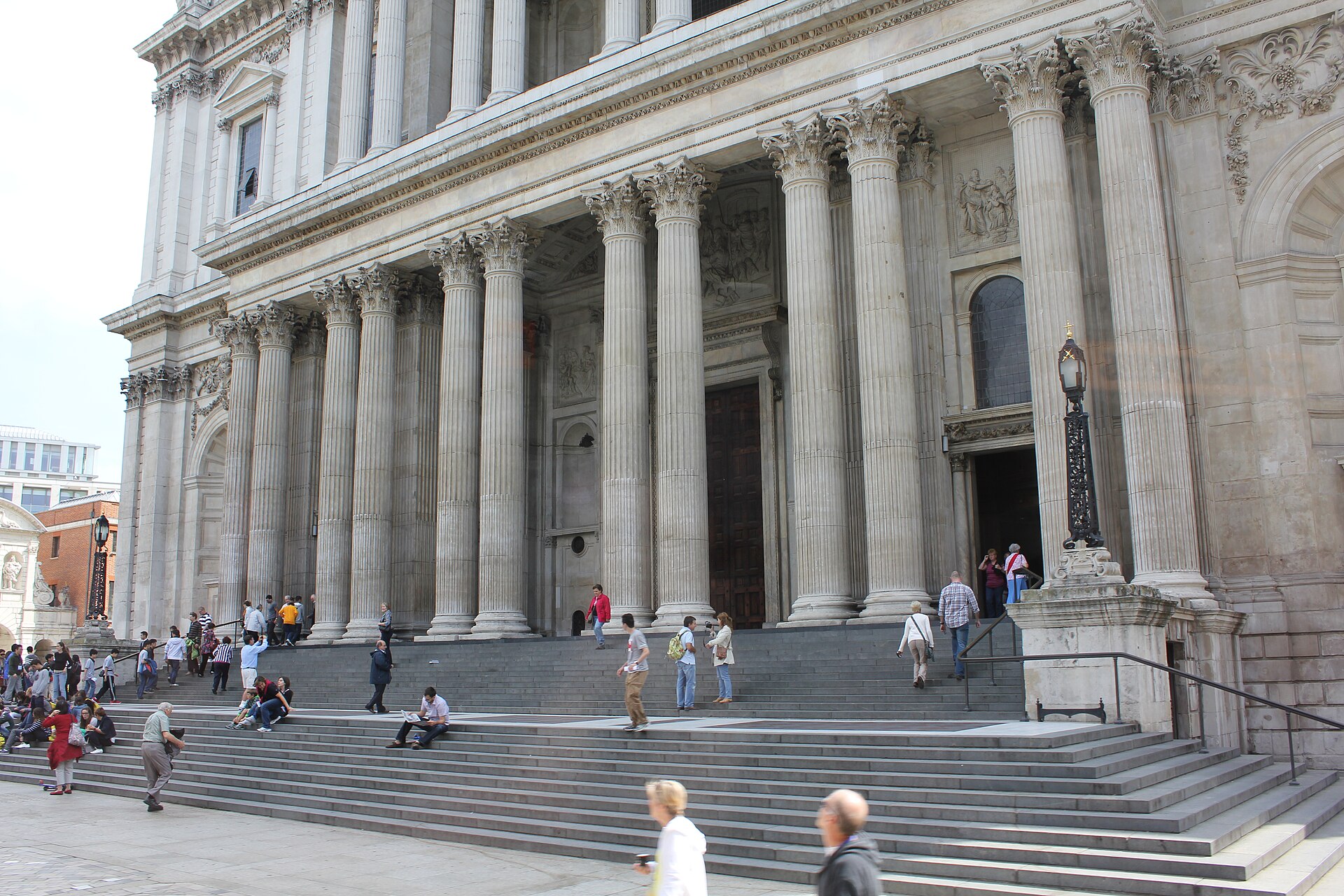
These are planning references, not endorsements of a specific supplier or evidence of available inventory. General tourism pages do not verify every venue in the simulated itinerary. Open the relevant operator page for the exact ticket, transport leg or accommodation you choose. Photos provide destination inspiration; they do not establish seasonal conditions or form a mandatory route.

7. Review the final version, then save it to Limbo
Keep the final review separate from the save action. First confirm the destination, dates, travellers and intended trip. Then read the itinerary that will actually be saved—not an earlier answer from the conversation. For a group, a generated plan is still a proposal; it is not evidence that everyone has agreed.
Follow the current Limbo connection instructions before requesting a save. The current connection requirements summarise account and access requirements. If the connection is not available, retain the text draft rather than claiming anything was saved.
Use this final handoff prompt:
Once Limbo is connected, preview the revised London itinerary for 10–14 December 2026 as a new trip named “London — December planning draft”. Show the dates, travellers, day-by-day entries, local times, costs and unresolved booking checks. Ask me to confirm the trip and this exact version. Do not save until I explicitly approve. After approval, save only the approved version and return the trip link. Do not book, pay, send invitations or make additional changes.
After a successful save, open the returned trip link and compare the saved dates, day structure and any unresolved items against the preview. If only part of the plan saved, resolve that explicitly before retrying; do not assume another request cannot duplicate entries.
The next step: choose your dates, complete the reusable prompt and work through one refinement before saving. The goal is a plan your travellers can understand and improve together—not a perfect-looking answer on the first attempt.