July 11, 2026 · Limbo Crew
How to plan a trip to India’s Golden Triangle with AI
Build Delhi, Agra and Jaipur around a manageable pace and transport plan. Practical steps and a worked example.
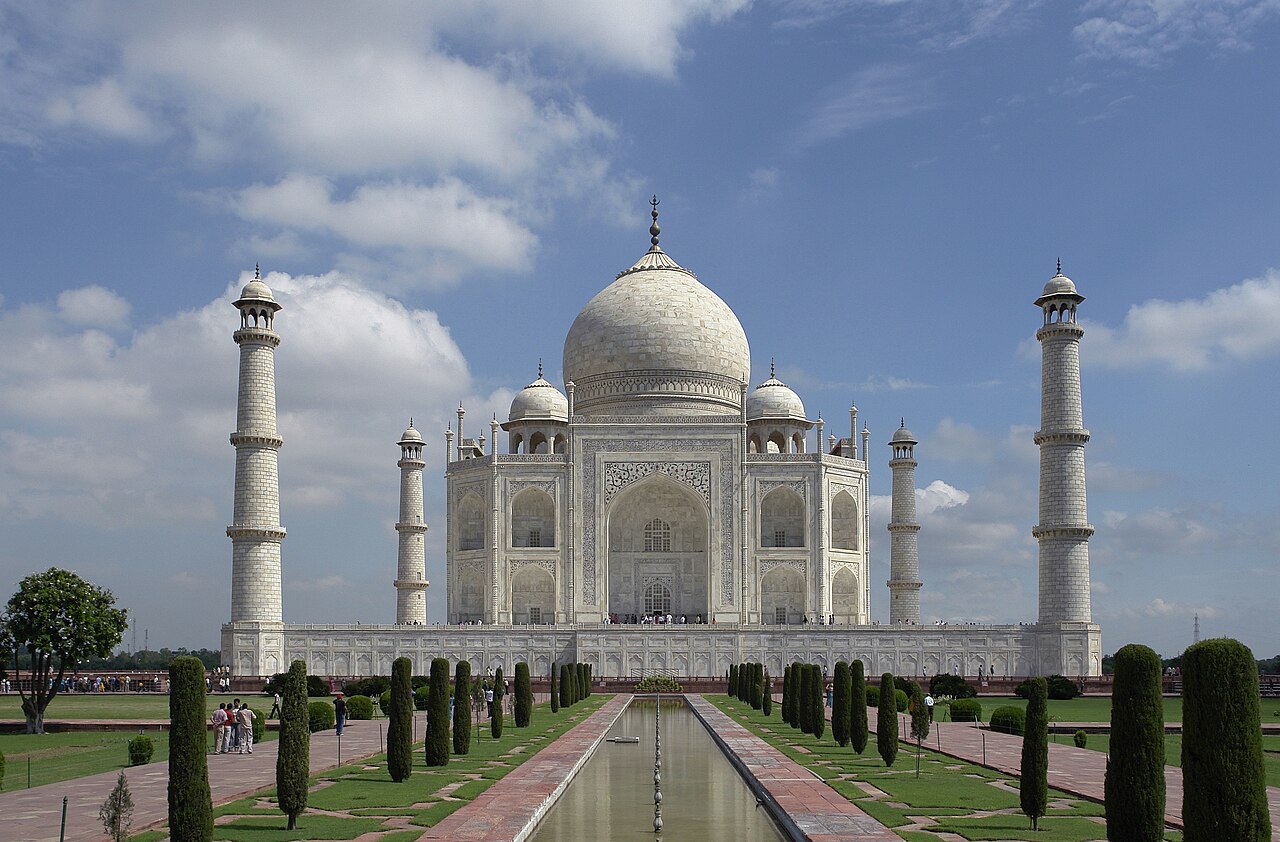
Photo: Yann ; edited by King of Hearts · CC BY-SA 4.0. Full-frame photograph; cover thumbnails may crop for layout.

Delhi, Agra and Jaipur form a familiar route, but the useful question is how the crew will move and recover between them. Ask for a plan with distinct city days and transfer days, not a list that assumes traffic and entry queues disappear.
This guide turns the destination into a practical AI trip brief: compare a route, inspect a simulated result, refine the weakest part and verify the details before saving anything. It is a planning method, not a claim that the suggested services or prices are available.
1. Choose the shape of the trip before filling the days
Compare a supported road-transfer approach with available rail-based options. Show hotel access, luggage and guide arrangements separately from sightseeing.
Ask the crew what it wants more of—time in one place, variety, food, landscapes or shared activities—and what it is willing to give up. Do not let the assistant answer those preference questions by silently adding more money or another night. The best comparison holds the dates and requirements steady while changing the route.
For this destination, the brief should explicitly cover:
- Current monument opening and booking rules.
- Actual train or driver arrangements.
- Realistic local transfers.
- Room requirements.
- Arrival/departure logistics and current travel advice.
2. Copy the complete AI trip prompt
Replace every bracketed field. The constraints and checking instructions matter as much as the destination name.
Plan a trip to India’s Golden Triangle from [start date] to [end date] for [travellers + ages]. Arrival: [gateway, local date and time]. Departure: [gateway, local date and time]. Ask up to five important missing questions before writing the final itinerary.

Our comfortable budget is [amount + currency] per person, [including/excluding international flights], for [number] travellers. Accommodation: [room and bed arrangement]. Transport: [preferences and willing drivers]. Pace: [relaxed/balanced/active]. Must-dos: [list]. Avoid: [deal-breakers]. Practical requirements: [dietary, access, rest or other needs].

Compare a supported road-transfer approach with available rail-based options. Show hotel access, luggage and guide arrangements separately from sightseeing. Check current monument opening and booking rules; actual train or driver arrangements; realistic local transfers; room requirements; arrival/departure logistics and current travel advice.

Build a local-time day-by-day plan with nearby stops, meals, realistic transfers, luggage and check-in time, free time and a weather/disruption alternative. Keep confirmed bookings [list] intact. Distinguish source-checked facts from assumptions. Use official operator sources for schedules, entry rules, availability and booking conditions; if browsing or confirmation is unavailable, leave those checks unresolved. Do not invent prices, reviews, journey times or ticket availability.

Show an itemised budget, inclusions, exclusions and contingency without double-counting. If the ceiling is not feasible, explain the gap and the trade-offs instead of forcing the numbers. Invite one focused refinement round.

Once Limbo is connected, preview [new trip name / exact existing trip] with the revised dates and entries. Confirm the correct trip and wait for my explicit approval before saving that exact version. Return the result or explain what failed. Do not book, pay, invite people, send messages or cast votes as part of this request.
3. A worked brief with the blanks filled in
Fictional planning inputs—not a booking, live quote or actual AI conversation. Four adults want a 8-night India’s Golden Triangle trip, with two rooms, a balanced pace and no more than one principal activity on a non-transfer day. They prefer a simpler route over a higher attraction count. Their fictional flight inputs are arrival at Delhi at 10:00 local time on 8 November 2026 and departure from Jaipur at 18:00 local time on 16 November 2026. These are invented traveller inputs, not claims that a flight operates at those times. Their invented planning ceiling is AUD 2,900 per person, AUD 11,600 for the crew, excluding international flights, insurance and personal shopping. This ceiling illustrates a brief; it is not evidence that the trip is available at that price.
Create a provisional 8-night India’s Golden Triangle trip for four adults sharing two rooms, from 8 November 2026 to 16 November 2026. Fictional arrival: Delhi, 8 November at 10:00 local time. Fictional departure: Jaipur, 16 November 2026 at 18:00 local time. These times are authored planning inputs, not operating-flight claims or reservations. Treat these gateways and times as fixed for the example, and flag if a simpler route requires us to reconsider them rather than silently changing them.

Use a balanced pace, one main activity on non-transfer days, independent downtime and the simpler viable route. Compare these structures: Compare a supported road-transfer approach with available rail-based options. Show hotel access, luggage and guide arrangements separately from sightseeing. Our invented ceiling is AUD 2,900 per person, AUD 11,600 total, excluding international flights, insurance and shopping. It is a limit to test, not a claim about live prices. Keep a contingency allocation of AUD 290 per person.

Prioritise current monument opening and booking rules and actual train or driver arrangements. Check all remaining requirements from the original prompt. Show provisional day blocks, source-check tasks and an itemised budget. Do not claim the route is bookable before actual services and accommodation are checked. Do not save, book or pay.
A useful assistant should preserve those fictional arrival and departure boundaries, ask about any remaining requirements, then either research date-specific options or produce a clearly provisional structure. If it immediately supplies exact flights and hotel prices without sources, stop and request evidence. A neat table does not make an invented service real.
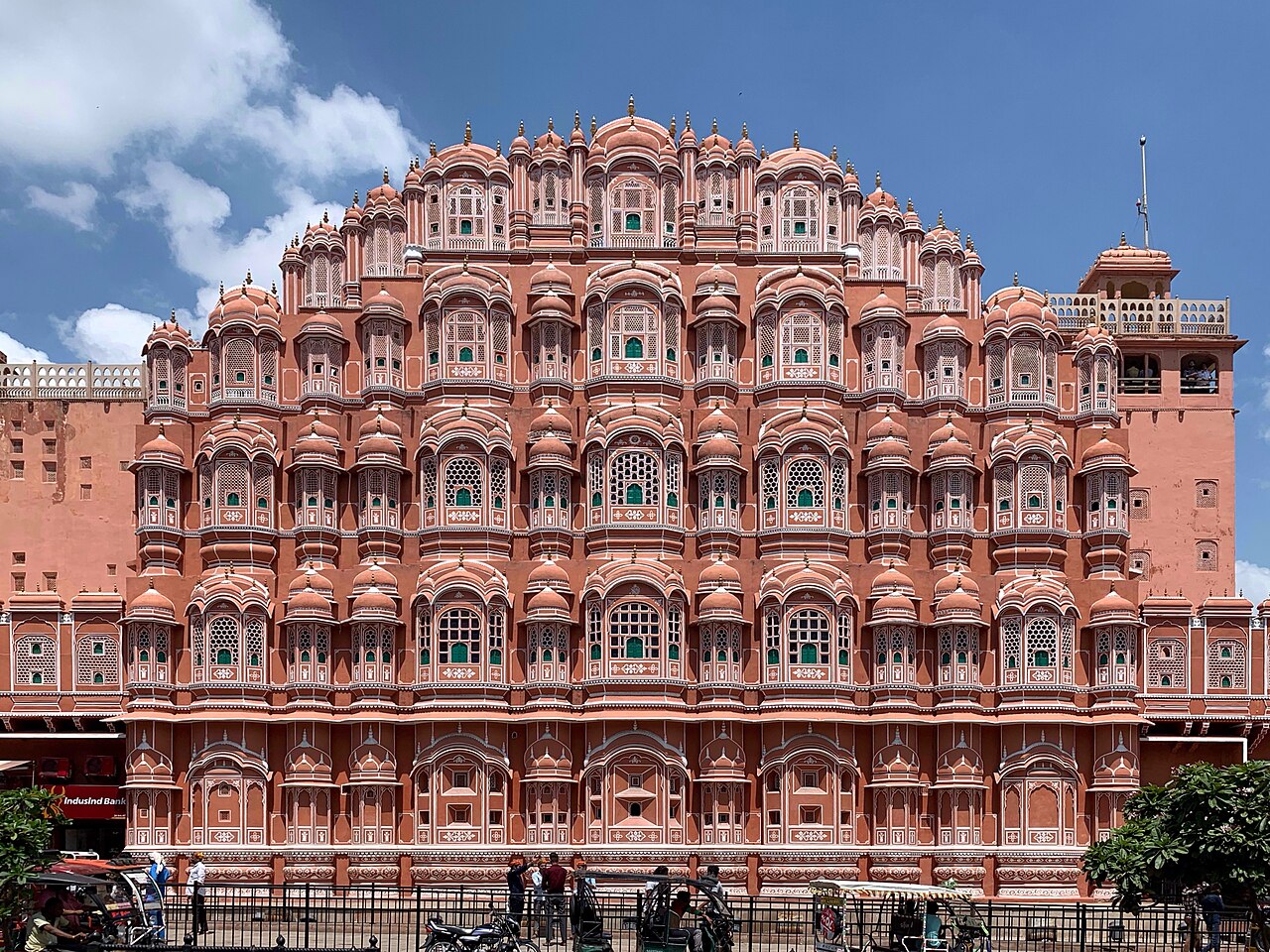
Photo: Chainwit. · CC BY-SA 4.0. Full-frame photograph; cover thumbnails may crop for layout.
_-_img_01.jpg)
4. Example outcome: a route to investigate
Simulated editorial outcome—not real AI output. The following blocks illustrate how to structure the route. They do not verify operating services, tickets, weather, suitability or room availability. Exact activity timings and transfers still require date-specific checks, even with the fictional arrival and departure inputs above.
| Block | Main purpose | Check before treating it as fixed |
|---|---|---|
| Days 1–3 | Delhi base with an easy arrival day | Group visits geographically and verify fixed entries. |
| Day 4 | Transfer to Agra | Do not add a tightly timed arrival activity without verified margins. |
| Day 5 | Agra visit block and flexible time | Check the specific monument schedule. |
| Day 6 | Transfer to Jaipur | Include stops only if the real route permits them. |
| Days 7–8 | Jaipur base and departure positioning | Keep the final gateway explicit. |
| Day 9 | Departure | Use the actual ticketed route. |
Use this table to identify the route decision, not to skip it. If the actual arrival or departure makes a block impossible, change the route rather than compressing the transfer into a guessed journey time. Keep one flexible option available without assuming it is already reserved.
Make the spending limit auditable
These are invented allocations within the fictional ceiling, not destination price estimates. Replace them with verified quotes before deciding the plan fits. Shared costs are expressed as per-person allocations here; do not multiply them again if a supplier quote already covers the whole group.
| Category | Illustrative AUD per person |
|---|---|
| Accommodation share | 1,160 |
| Food allowance | 580 |
| Internal transport | 460 |
| Activities | 410 |
| Contingency | 290 |
| Total planning ceiling | 2,900 |
If real quotes exceed a category, show the effect on the total and the available trade-off. Do not make the arithmetic work by omitting a compulsory transfer or treating an unknown fee as zero. Refundable deposits, payment deadlines and cancellation exposure belong alongside the cost comparison.
5. Refine the weakest part, not the whole holiday
For this route, the most useful refinement is specific: Reduce the number of timed visits and give every transfer day one main purpose. Compare a shorter route if the final departure requires backtracking.
A weaker follow-up such as ‘add more things’ can undo the pacing you asked for. Keep the request tied to the actual compromise and require the assistant to show what it changes.
Revise the India’s Golden Triangle trip using this instruction: Reduce the number of timed visits and give every transfer day one main purpose. Compare a shorter route if the final departure requires backtracking. Keep [confirmed bookings and hard requirements] unchanged. Show what you removed, moved or replaced and the reason for each change. Update the totals and list remaining checks. Do not save or book anything.
What an improved result should show: a revised route table, a clear list of removed or moved items, updated cost assumptions and the same protected requirements. It should not quietly change the traveller count, move a booked flight or turn a flexible day into another non-refundable activity. Check those invariants before accepting the revision.
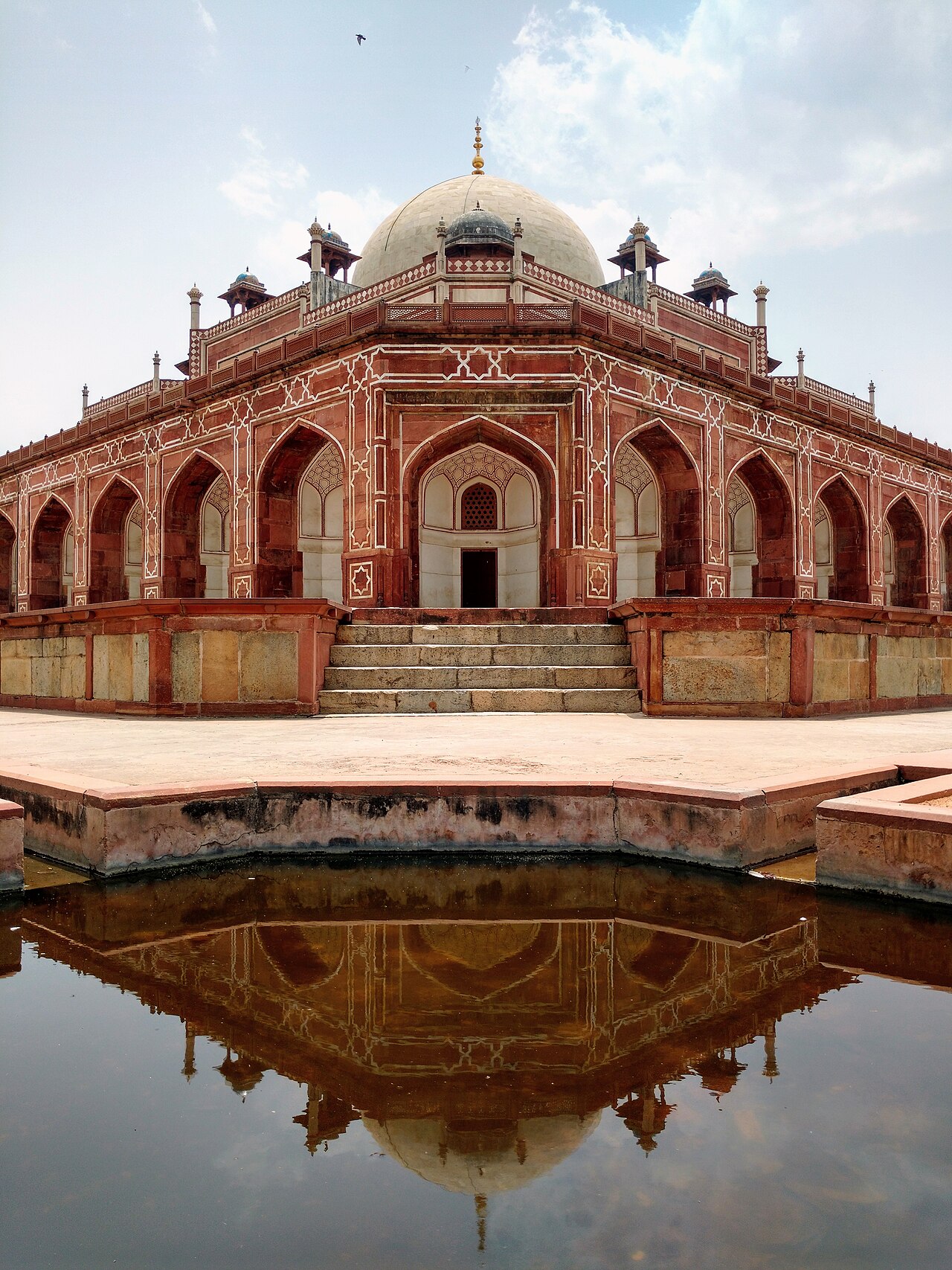
Photo: Naveen R Gowda · CC BY-SA 4.0. Full-frame photograph; cover thumbnails may crop for layout.

6. Verify, then give the plan a home
Before committing, check the important operator details for the actual dates and travellers. Tourism inspiration pages can help identify a destination; they do not confirm an individual reservation. For entry, health or safety requirements, use the appropriate current official guidance rather than an itinerary model’s inference.
Follow the current Limbo connection instructions. Account access, permissions and client capabilities determine which actions are available. If the connection is unavailable, keep the itinerary as a text draft; nothing has been saved merely because the conversation says it has.
Once Limbo is connected, preview the exact revised India’s Golden Triangle itinerary for [trip name] from [start date] to [end date]. Confirm whether this is a new trip or the correct existing one. Show local dates, times, places, costs and any unresolved items. Wait for my explicit approval, then save only that reviewed version and return the result. If anything fails, state what did and did not save. Do not book, pay, send invitations or cast votes.
The takeaway
A useful India’s Golden Triangle trip plan makes the route choice clear, leaves room for real journeys and shows the checks that still stand between an idea and a booking. Start with the crew’s constraints, compare the structures above and refine the part that creates the most friction. Then save the version you actually reviewed—not the assistant’s first confident answer.
Sources and further reading
Destination source opened on 19 September 2026 as a planning starting point; specific routes, prices and availability still require date-specific operator checks.