August 1, 2026 · Limbo Crew
How to plan a road trip when nobody wants to drive all day
Agree driving limits, stops, rest and overnight bases. Practical steps and a worked example.
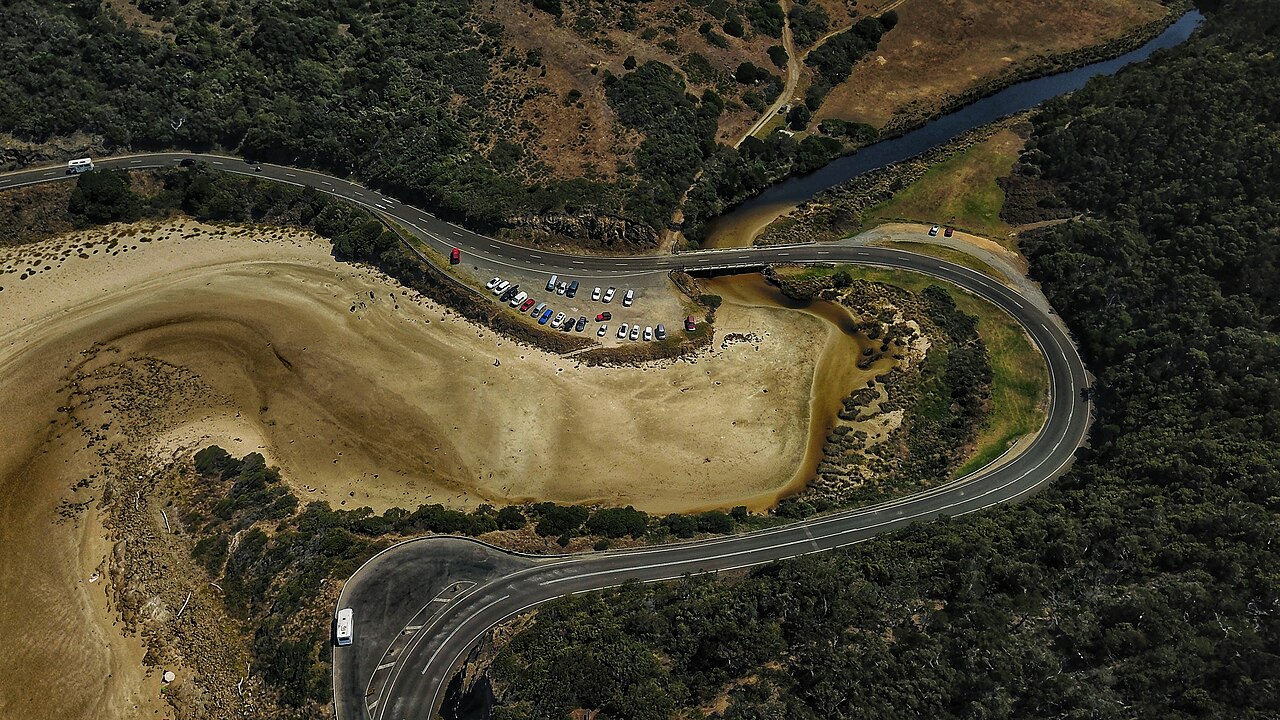
Photo: Bob Tan · CC BY-SA 4.0. Full-frame photograph; cover thumbnails may crop for layout.

A road trip becomes tiring when the map is designed around how far the car can travel rather than how the people want to spend the day. Agree a driving rhythm before adding scenic detours.
In this guide: Agree driving limits, stops, rest and overnight bases.
1. Choose realistic daily limits
Ask the willing drivers what they are comfortable doing and plan breaks and overnight bases around that. Check route conditions and local guidance; a generic AI schedule is not a fatigue or road-safety assessment.
2. Count the non-driving time
Include collecting the vehicle, loading bags, food stops, viewpoints, fuel and check-in. A four-hour map estimate does not make a four-hour travel day.
3. Share responsibility explicitly
Agree drivers, navigation, booking checks and any vehicle requirements. Do not assume everyone is insured or permitted to drive. Verify rental terms directly and keep the plan flexible if someone cannot take a turn.
Worked example: what this looks like
Fictional scenario—not a real customer story or executed AI result.
A fictional crew initially adds three major stops to a transfer day. Once it includes breakfast, loading, breaks and check-in, it drops two detours and adds another overnight base. The revised trip sees fewer pins but gives everyone time outside the car. Driver changes follow the rental agreement, not an informal assumption.
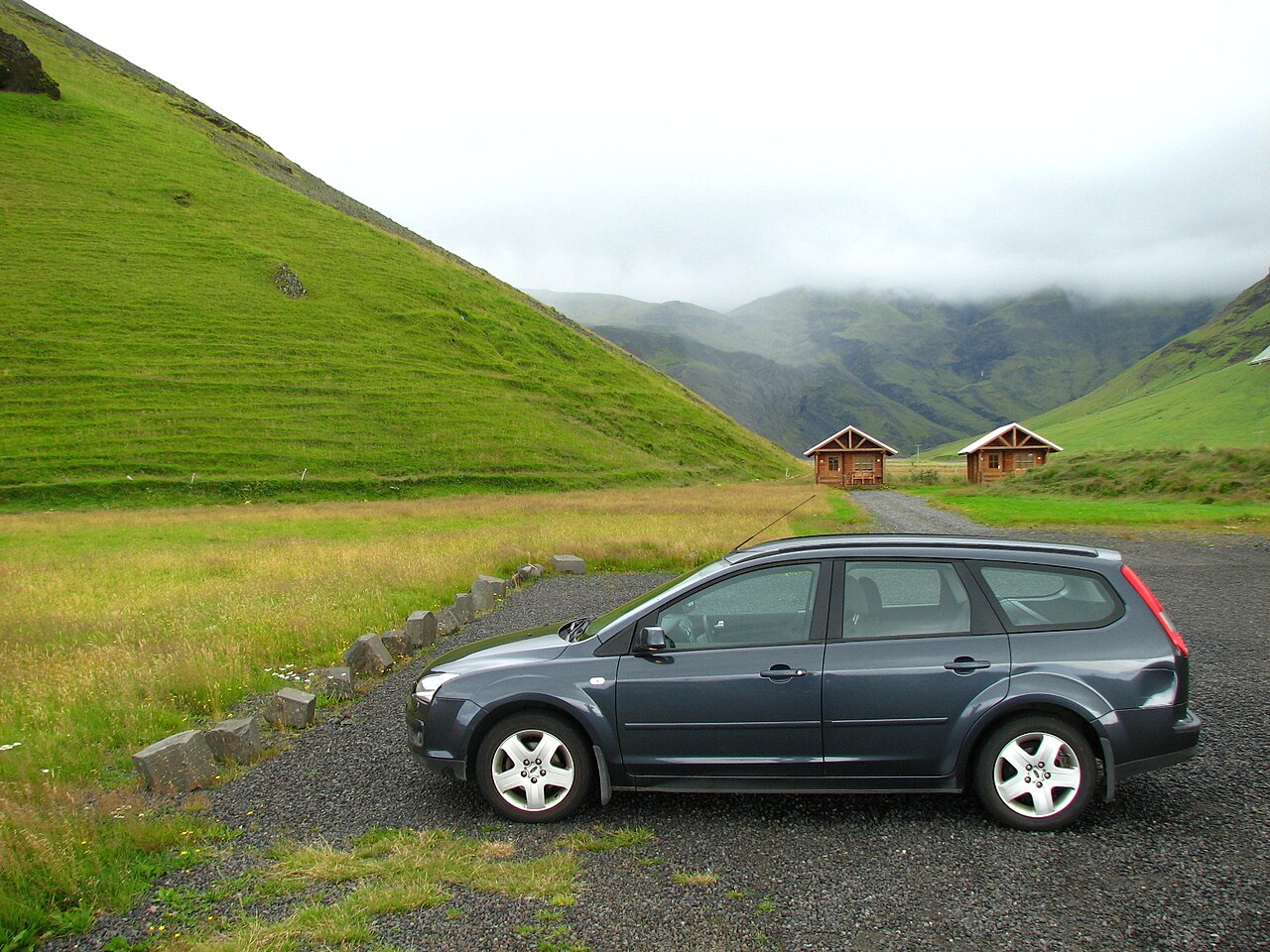
Photo: CGP Grey · CC BY 2.0. Full-frame photograph; cover thumbnails may crop for layout.
.jpg)
Make the plan usable when attention is limited
Write the travel-day version for someone who is tired, carrying bags and looking at a phone. Put the next place, local time, address and immediate instruction first. Keep long terms and research notes accessible without making them the first thing a traveller must read.
Distinguish a confirmed instruction from a provisional assumption. If a transfer is not arranged, say who is checking it and by when. A clean itinerary is not evidence that every entry is booked. Keep the original supplier confirmation available for the details that matter.
Test the handoff with another crew member: can they explain where they go next without asking the organiser? If not, fill the missing information before adding more attractions. Repeat that check after a material change, especially if an older offline copy may still be in use.
A message or brief you can copy
Replace the bracketed fields with your own details. Read the complete text before sending it; copying it here does not send a message or perform an action.
Plan [route] around [agreed driving limits], breaks and daylight preferences. Include loading, stops and check-in time. Verify rental-driver requirements and current road conditions with official sources. Show a shorter alternative if a day becomes too demanding.
Before you call it settled
- Local dates, times, places and contacts are clear.
- Confirmed arrangements are distinct from assumptions.
- A traveller other than the organiser can follow the next step.
- Essential offline information has been tested where needed.
- Changed details have replaced or clearly superseded old versions.
Build the route around the least comfortable feasible day, not the most ambitious one. A holiday should not require recovering from its transport plan.
Put the decision somewhere useful
Keep the agreed plan and the information needed to act on it together in Limbo. Save the useful outcome of the conversation—not every abandoned option—and make clear what is still awaiting confirmation.
Sources and further reading
These references support the workflow and further checks; fictional examples are authored illustrations, not evidence of live prices, bookings or customer outcomes.